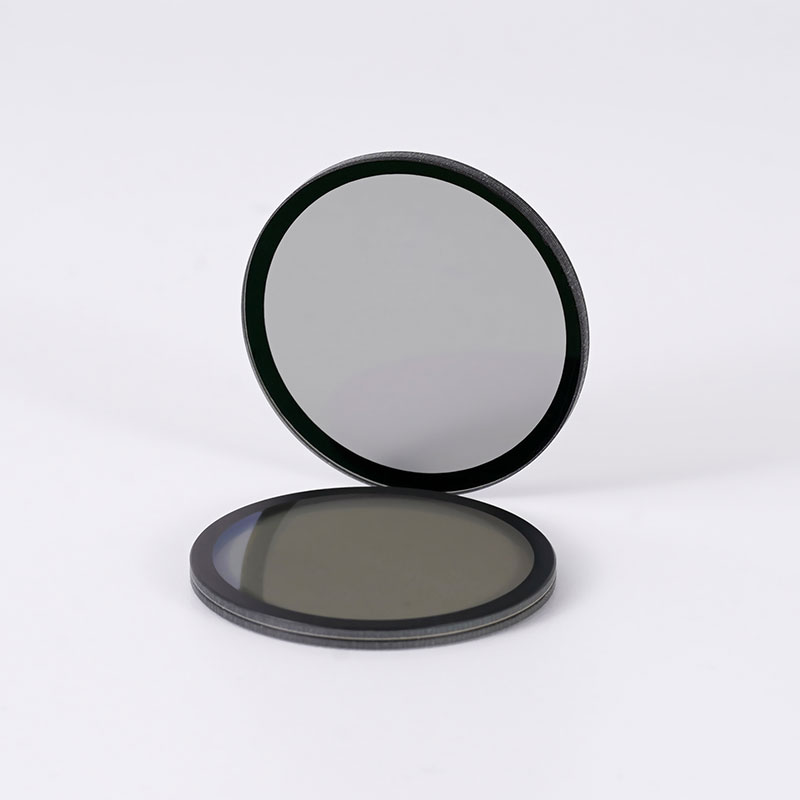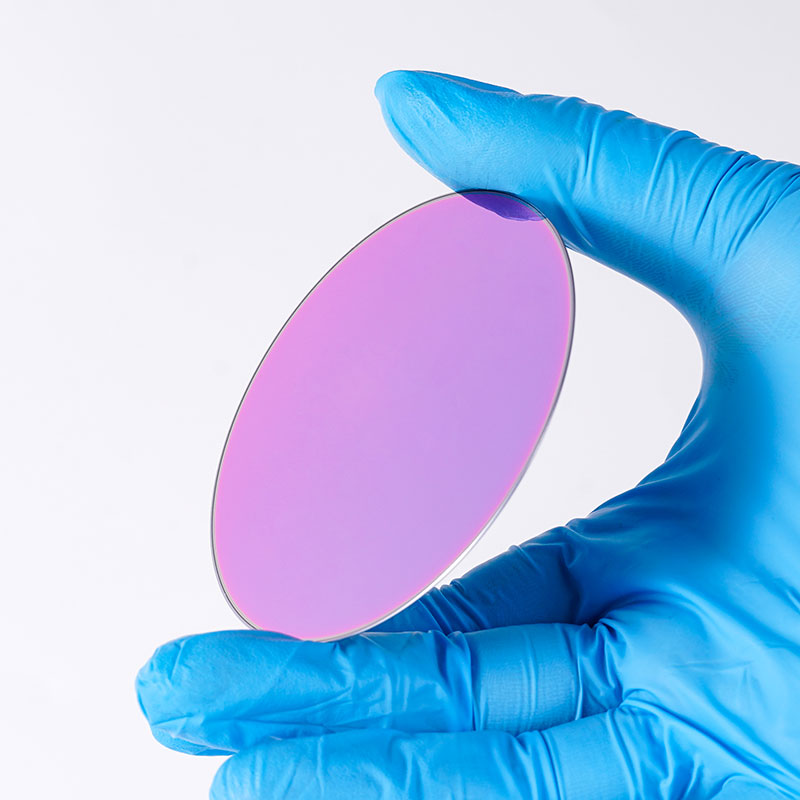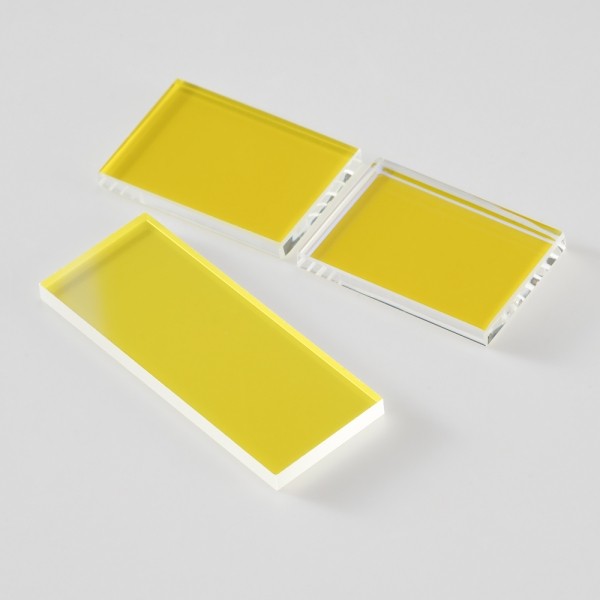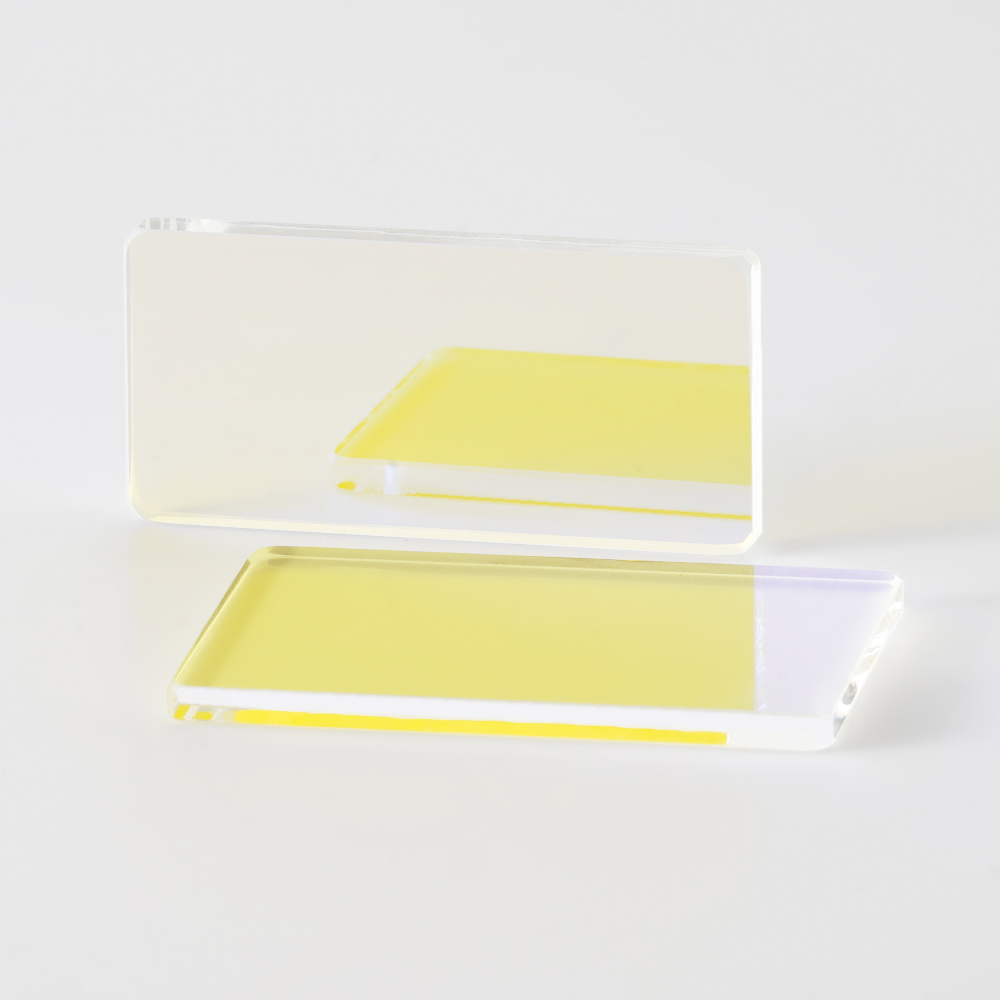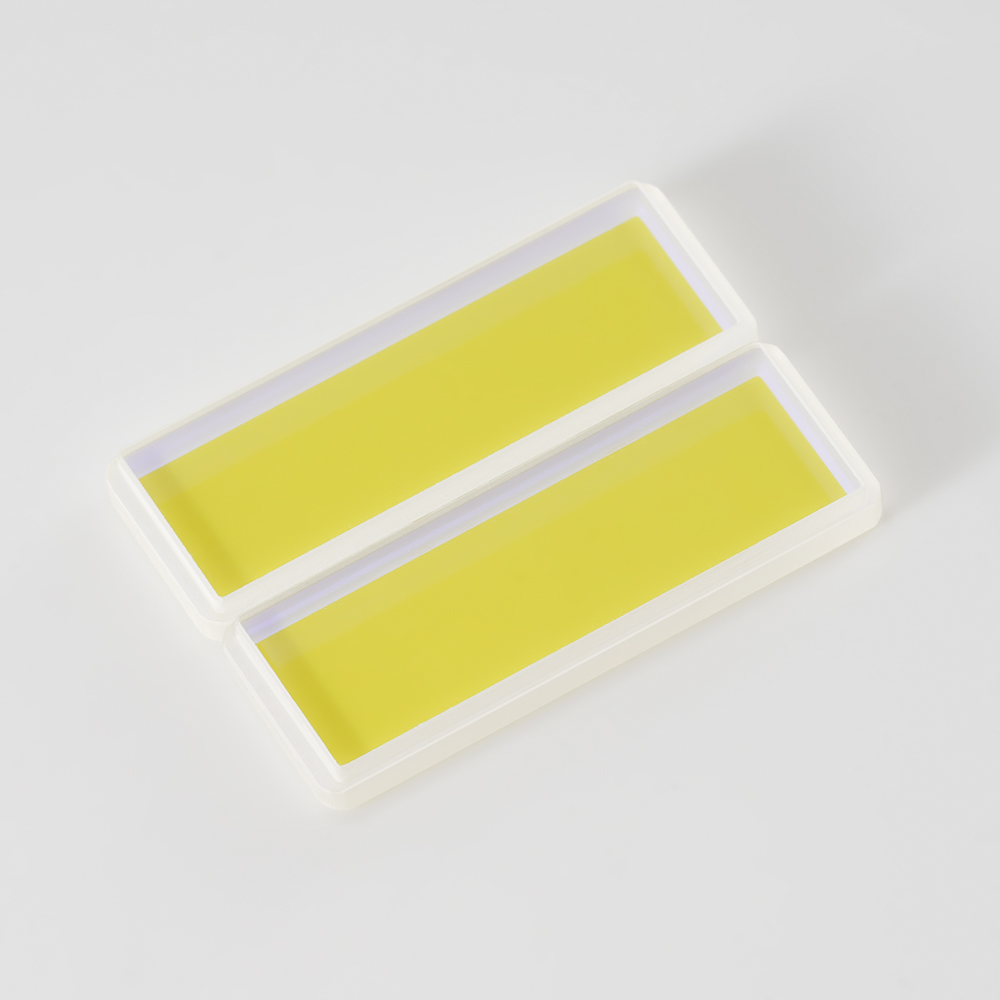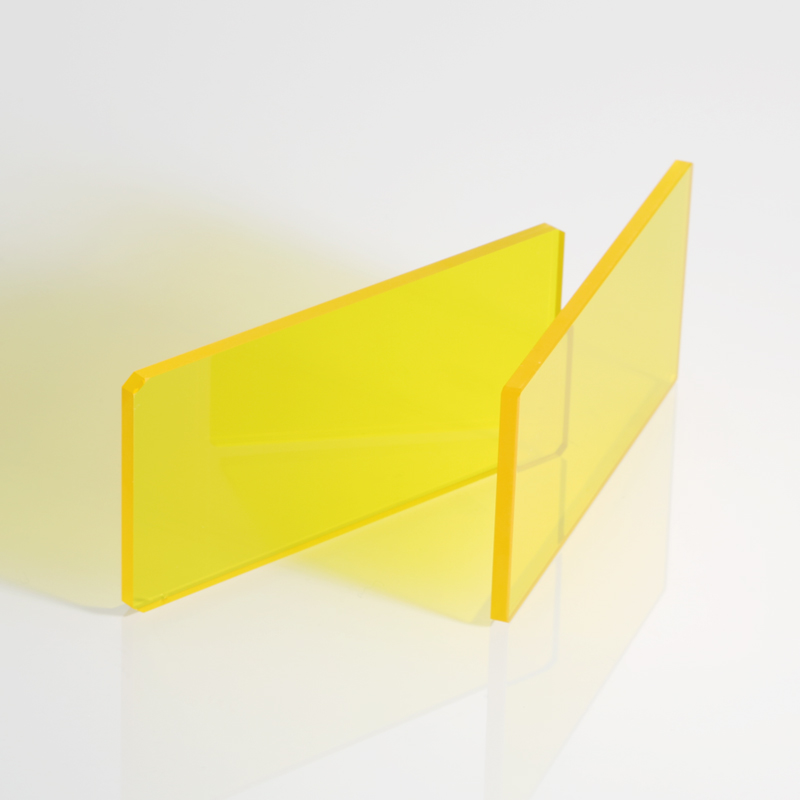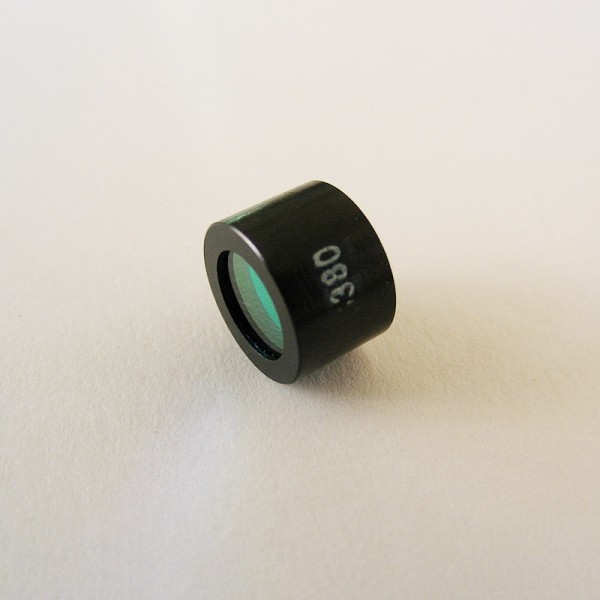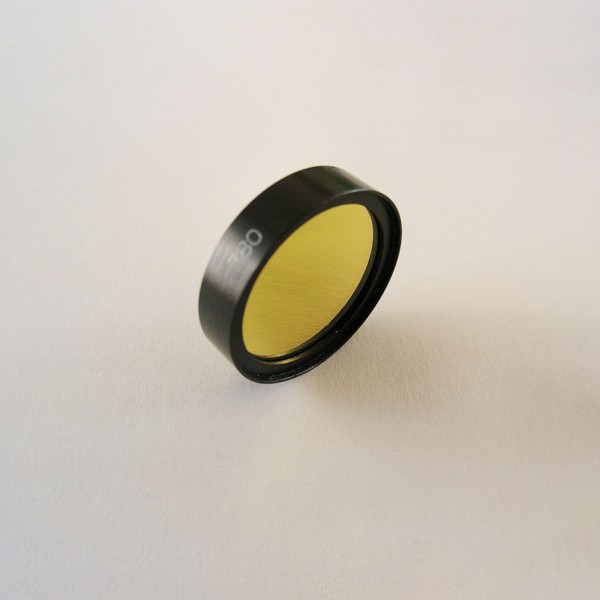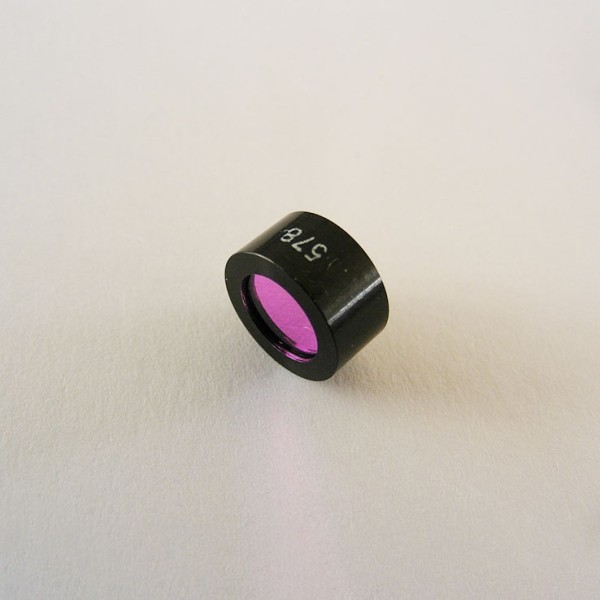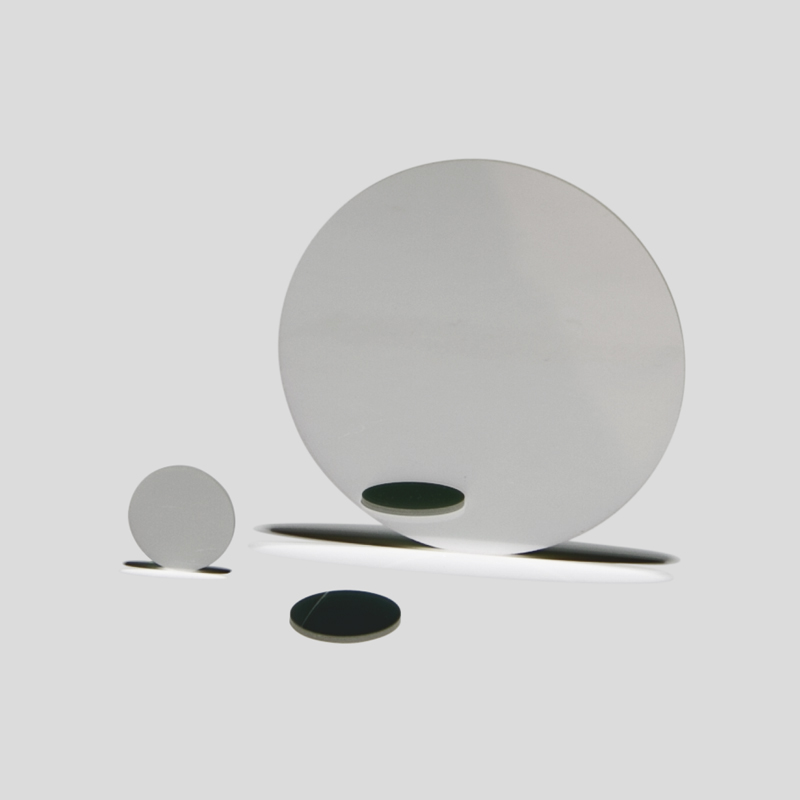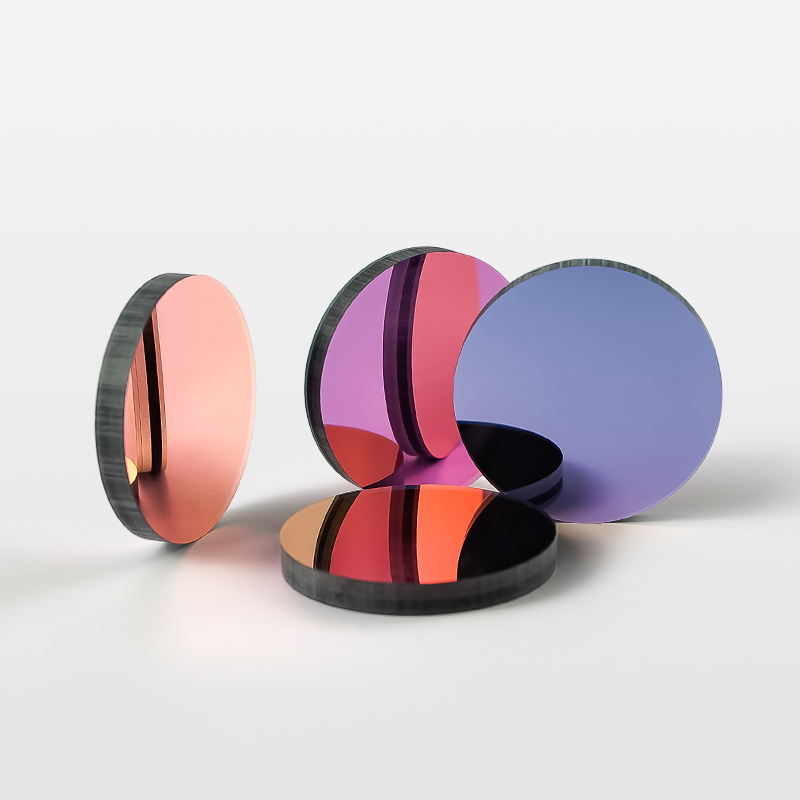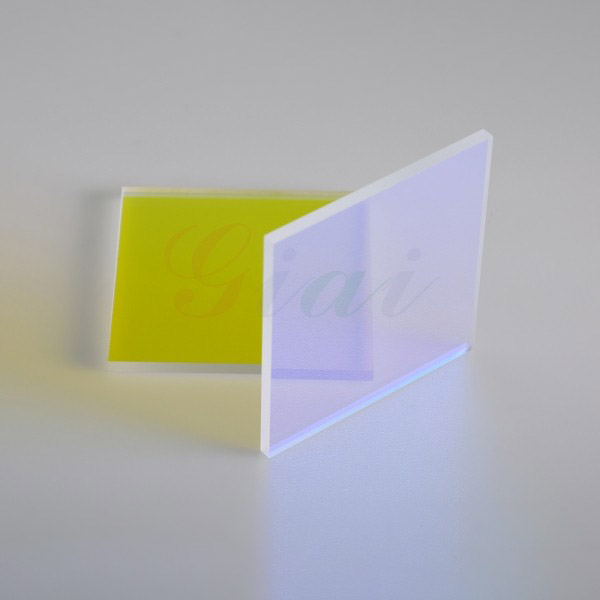
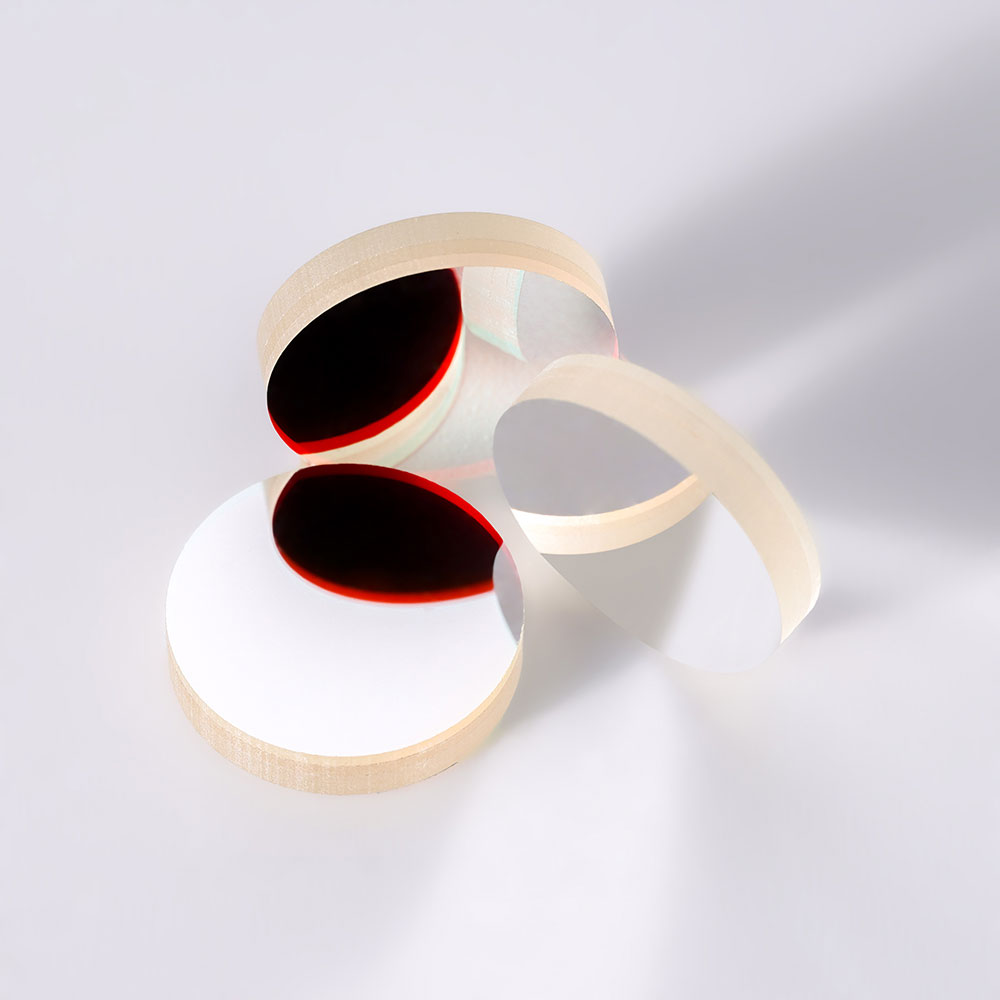
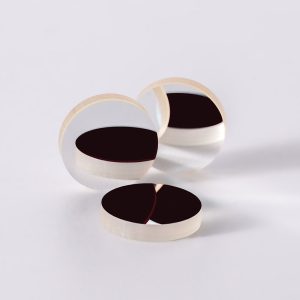
The NBP940 is a high-performance narrowband infrared filter designed specifically for harsh automotive environments. Its core function is to precisely transmit 940nm wavelength infrared light while deeply blocking interference light from all other wavelengths, thereby extracting pure, high signal-to-noise ratio electronic signals under various lighting conditions. The product utilizes optical-grade substrates and ion-assisted deposition technology to coat a rigid and dense film layer, featuring precise wavelength control, high transmittance, excellent cutoff depth, and outstanding environmental stability. It is a key component for improving the reliability and accuracy of automotive optical systems.
Model: NBP940
Specifications: Customized
Material: optical glass
Product Specifications
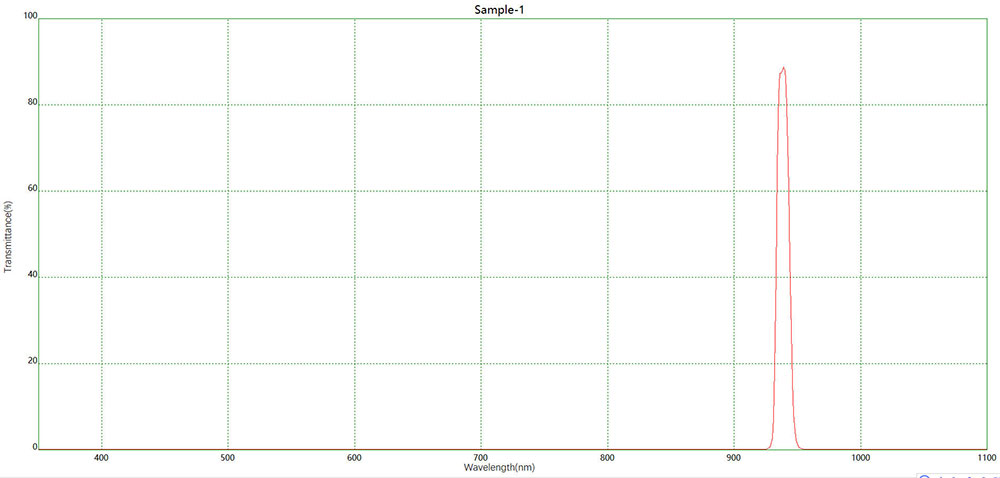
Center Wavelength: 940 ± 5 nm
Peak Transmittance: T > 88% (Customizable)
FWHM: 11 nm (Customizable)
Cutoff Range: 350-925nm/955-1100nm (Customizable)
Cutoff Depth: T < 0.1% (Customizable)
Key Features and Advantages
Optimized for Automotive Use: Excellent ambient light suppression effectively resists stray light interference from sunlight, streetlights, etc., ensuring system stability under all-weather conditions.
Precise Signal Extraction: The combination of high transmittance and extremely deep cutoff significantly improves the signal-to-noise ratio, guaranteeing the accuracy and clarity of the detected signal.
Superior Environmental Durability: Hard coating technology and ion-assisted deposition technology give the product characteristics of low temperature drift, high hardness, and long lifespan, meeting the stringent reliability requirements of automotive applications.
Eye Safety and Seamless Experience: 940nm is invisible light, avoiding glare interference for drivers and pedestrians, meeting eye safety standards.
Automotive Applications
Driver Monitoring System: Utilizes 940nm invisible infrared light to monitor driver status in real time, completely eliminating visible light interference. It penetrates sunglasses at night, providing imperceptible monitoring of driver fatigue (e.g., blinking frequency, yawning) and distraction (e.g., gaze deviation), significantly improving driving safety.
Automotive LiDAR: Used to receive laser echo signals, enabling 3D environmental perception and modeling. Its extremely high cutoff depth strongly suppresses background light (especially sunlight) noise, improving LiDAR detection range and point cloud quality. It is a core component for achieving Advanced Driver Assistance Systems (ADAS).
In-Vehicle Intelligent Sensing System: Used for occupant monitoring, gesture recognition, and biometrics. It effectively blocks interference from common infrared LEDs such as 850nm, accurately capturing gesture commands or monitoring rear-seat occupants (e.g., detecting left-behind children), enhancing human-vehicle interaction and safety.
Other Key Application Areas
Biometrics: Vein recognition, iris recognition.
Gas Detection: Vehicle exhaust analysis, industrial process gas (e.g., CO₂, acetylene) leak monitoring.
Medical Diagnostics: Non-invasive blood glucose testing, blood oxygen saturation monitoring.
Industry and Scientific Research: High-resolution spectral analysis, fluorescence detection, precision optical instruments.