
Custom Optics Process
From Requirement Review to Production
A custom optical component starts with the function it must perform, the specification that defines it, and a clear basis for inspection. GIAI reviews drawings, samples and application requirements before the manufacturing route is confirmed.
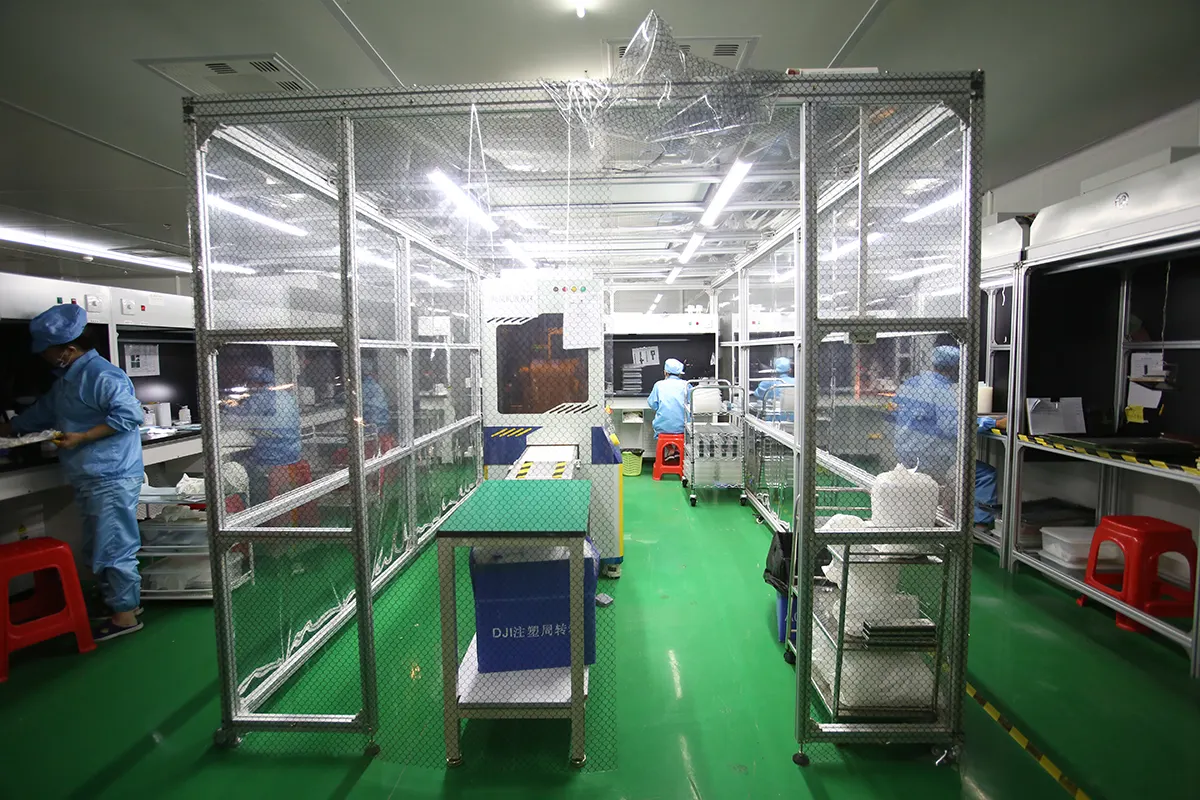
A Clear Technical Starting Point
The process begins before material is cut or a coating is deposited.
Manufacturing starts with the optical function, drawing, material and acceptance requirements. For a coated component, the discussion may also cover wavelength range, transmission or reflection targets, blocking, angle of incidence and the conditions under which the spectrum will be evaluated.
If a finished drawing is not available, a reference sample and application information can provide a practical basis for technical discussion. The goal is to turn the request into a specification that engineering, production and inspection can follow consistently.
Define the optical function
Identify what the component must transmit, reflect, block, focus, redirect or protect inside the optical system.
Fix the mechanical interface
Dimensions, thickness, geometry, clear aperture, mounting references and drawing tolerances establish the physical boundary of the part.
Agree how the part will be checked
Inspection should follow the approved drawing and agreed optical, dimensional, surface and coating requirements for the project.
Engineering Workflow
What happens after you send GIAI a custom optical requirement?
The sequence below shows the normal decision path for a custom optics project. The exact manufacturing and inspection route is set by the component, material, coating specification, tolerances and acceptance requirements.
Submit Application and Requirements
Send the drawing, optical specification, reference sample or application information available to your team. Useful inputs include wavelength, transmission, reflection, blocking, optical density where relevant, dimensions, thickness, geometry, substrate, coating, tolerance and required quantity.
A concise application description helps engineering understand which requirements drive the design and which are interface constraints.
Technical Requirement Review
GIAI reviews the request for optical function, drawing completeness, material definition, coating requirements, dimensional controls and the intended basis for acceptance.
This review is where missing or conflicting information should be identified before the project moves into manufacturing planning.
Material, Process and Coating Feasibility
The proposed component is assessed against material, geometry, fabrication route, coating requirement and inspection needs. For coated optics, spectral performance must be considered together with the substrate and intended optical conditions.
Feasibility depends on material, geometry, coating specification, tolerances and inspection requirements.
Specification Clarification
Open points are resolved before the commercial and manufacturing scope is fixed. This may involve confirming drawing revisions, spectral definitions, dimensional references, surface requirements, coating faces, test conditions or sample-matching expectations.
Written clarification reduces the risk of engineering and procurement working from different versions of the requirement.
Quotation or Project Proposal
Once the technical scope is clear enough to evaluate, GIAI can prepare the quotation or project proposal around the agreed component definition, quantity and required manufacturing and inspection work.
For a custom filter, for example, coating design, substrate, blocking requirement, size, inspection method and quantity can all affect project scope.
Prototype or Sample Stage
Where a sample stage is part of the project, prototype parts provide a controlled point to review optical behavior, mechanical fit, coating performance or other agreed characteristics before production proceeds.
The approval basis should be tied to the drawing, specification or agreed evaluation method rather than an undefined visual comparison.
Manufacturing
Optical fabrication may involve material preparation, grinding, precision grinding, polishing, edging, cleaning, coating and assembly operations suited to the component. The process route is built around the approved technical definition.
Filters, lenses, prisms, windows and mirrors do not share one identical route; their geometry and optical function determine the sequence.
Inspection Against Agreed Requirements
Inspection follows the approved drawing and project requirements. Relevant checks may cover dimensions, surface condition, optical performance and coating transmission or reflection under the agreed wavelength and angle conditions.
The inspection plan should match the characteristics that matter to the part and its use in the optical system.
Production Stage
After the project basis is confirmed, production follows the released specification and defined process route. Manufacturing and inspection records should remain tied to the agreed component requirements and revision.
If the design or acceptance criteria change, the revision should be clarified before it is treated as the new production basis.
Packaging and Shipment
Finished optics are prepared for handling and shipment after the required production and inspection steps are complete. Any project-specific packaging, handling or documentation requirement should be included in the inquiry rather than added after production.
For sensitive coated or polished surfaces, packaging requirements are part of protecting the finished component through transport and receiving.
Requirement Review
Drawings are valuable, but the optical context matters too.
A drawing may define size, thickness, geometry and tolerances while leaving the optical operating conditions elsewhere in the system specification. For filters and coated optics, wavelength, passband or reflection requirement, blocking region, angle of incidence and measurement conditions are often central to a useful review.
For a sample-led project, provide the sample together with its function and the performance you need to reproduce or change. That gives the technical discussion a measurable direction.
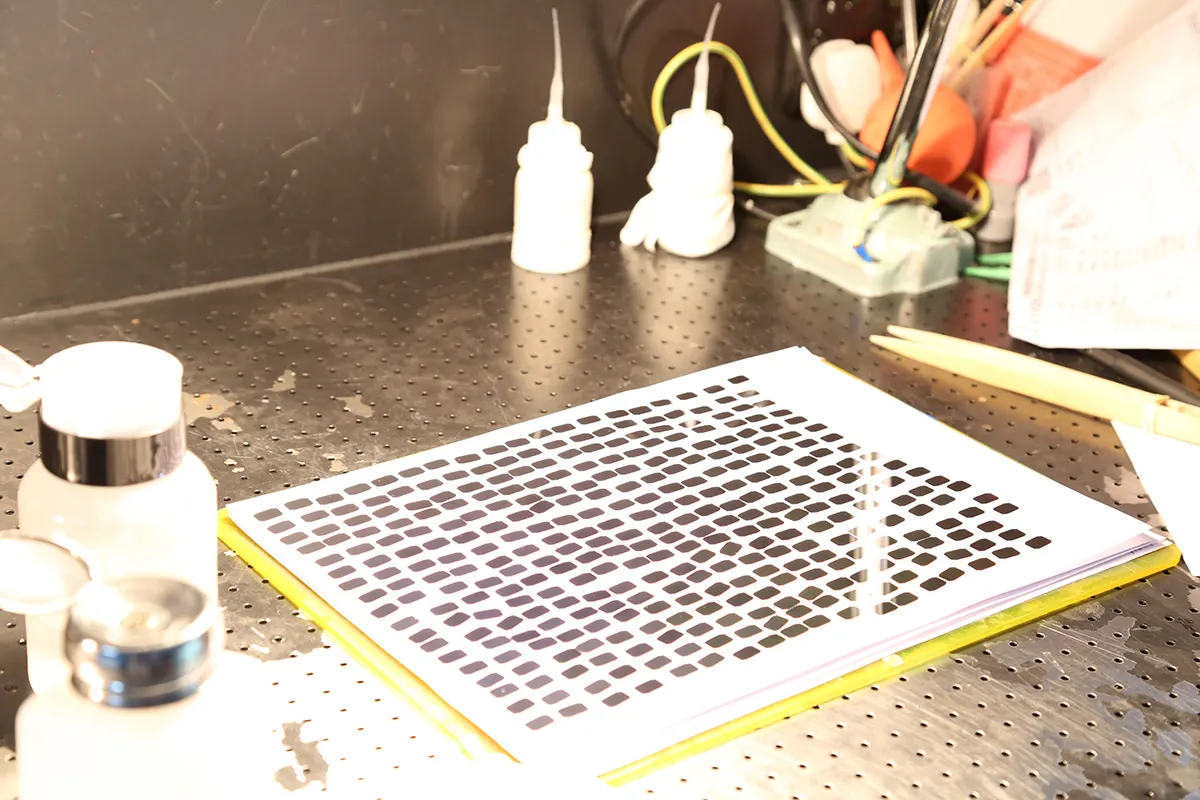
Before You Send an Inquiry
What Should You Send for a Faster Technical Review?
Send the information you already control and identify what still needs engineering discussion. A compact, well-structured inquiry is easier to review than a product name with no application or acceptance criteria.
Application and optical function
Explain what the part does in the system: transmit a band, reject background, reflect a wavelength, focus an image, redirect a beam, protect a sensor or perform another defined function.
Drawing or dimensional definition
Include dimensions, thickness, geometry, clear aperture, mounting references, drawing tolerances and the current drawing revision where these are already defined.
Optical requirement
Provide wavelength range, transmission, reflection, blocking, optical density where relevant, focal or imaging requirement, and the operating conditions needed to interpret those targets.
Material and coating
State the substrate or optical material if fixed. Identify coating faces, coating function and any existing spectral curve, coating specification or reference part.
Inspection and acceptance
List the characteristics your team will use to accept the component, including dimensional, surface, spectral, mechanical or assembly checks already defined by the project.
Quantity, sample and project context
Provide required quantity, reference samples when available, and any packaging, handling or documentation requirements that affect the manufacturing scope.
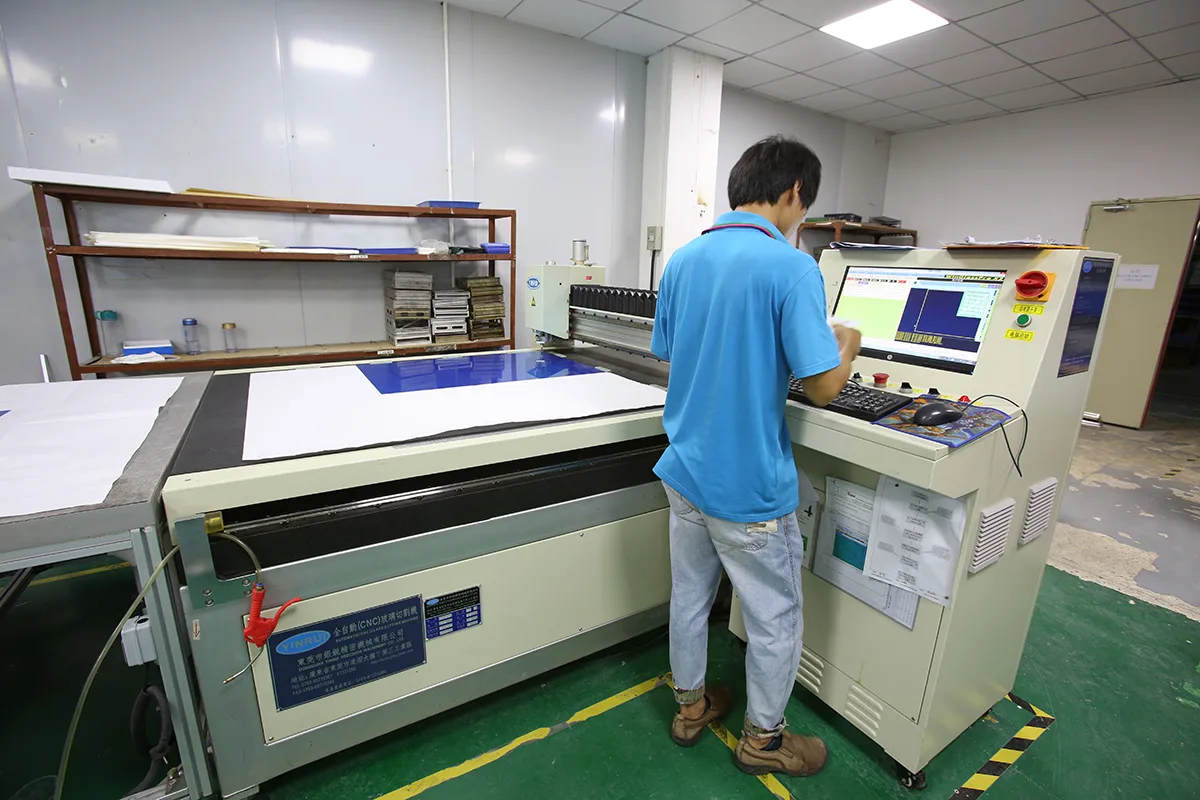
Fabrication Route
The drawing and acceptance requirements control the manufacturing route.
Optical components may pass through material preparation, grinding, precision grinding, polishing, edging, cleaning and other fabrication operations before coating or final inspection. Geometry, material and tolerances determine which operations are relevant and how the part is referenced during processing.
- Keep drawing revisions controlled throughout the project.
- Define critical dimensions and optical surfaces clearly.
- Identify coating faces and orientation where confusion is possible.
- Connect inspection requirements to the released specification.
Coating
Spectral requirements need operating conditions, not a wavelength label alone.
For coated filters, mirrors, windows, lenses and prisms, the technical review should connect the required spectral behavior with substrate, wavelength range, angle of incidence and the conditions used for evaluation. This is especially important when the component is part of a source–filter–detector chain or when the optical path is not normal to the surface.
If you already have a target curve or an existing sample, include it with the inquiry. If the requirement is written in terms of passband, blocking or reflection limits, make those limits explicit in the project specification.
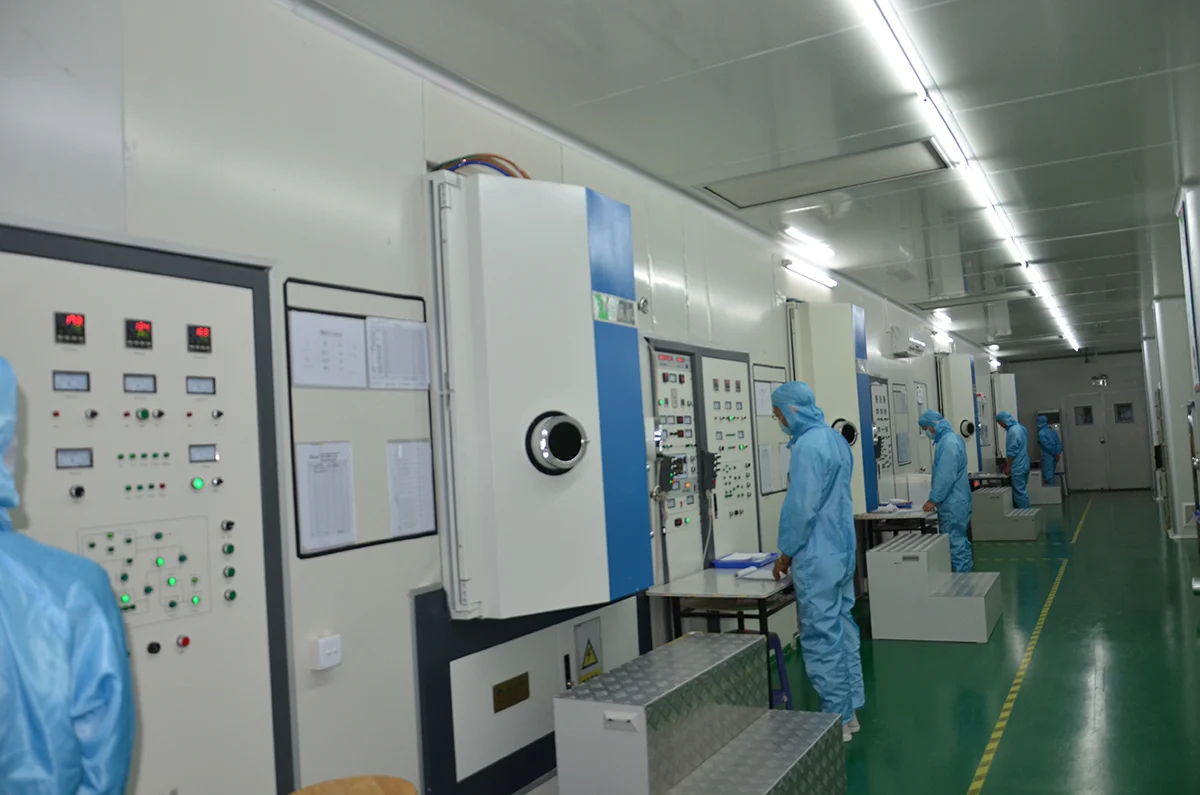
Practical Inquiry Examples
What to include for common custom optical components
These are information prompts, not preset specifications. Use the fields that match your application and drawing.
Custom Optical Filter
Application, target wavelength or passband, transmission requirement, blocking range, optical density where relevant, angle of incidence, source and detector context, substrate, size, thickness, coating orientation, drawing and quantity.
Lens
Optical function, focal or imaging requirement, material, diameter or clear aperture, thickness and edge geometry, coating, mechanical envelope, centering or assembly references, drawing and acceptance requirements.
Prism
Prism type or optical function, beam direction or orientation, material, dimensions, angle controls already defined by the design, polished faces, reflective or anti-reflection coating requirements, drawing and quantity.
Optical Window
Wavelength range, protective or transmission function, material, shape, thickness, clear aperture, coating, environmental or mounting context, dimensional and surface acceptance requirements, drawing and quantity.
Mirror
Reflection band, angle of incidence, polarization where relevant, substrate, dimensions, clear aperture, coating type, surface or flatness acceptance criteria already required by the system, drawing and quantity.
Inspection and Production
Build the acceptance method into the project before production.
A drawing and an optical specification are most useful when they also establish what will be inspected. The inspection scope may cover dimensional characteristics, optical surfaces, spectral transmission or reflection, and assembly-related features required by the finished component.
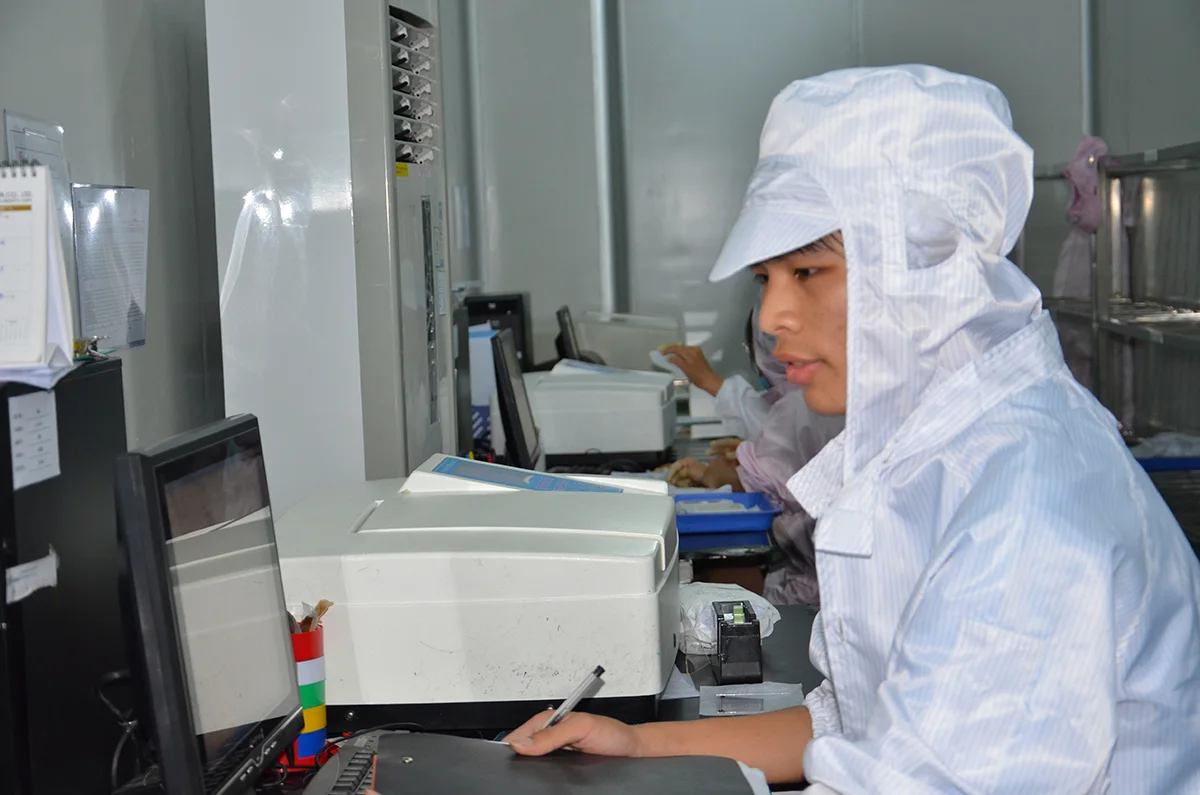
Spectral inspection for agreed coating performance
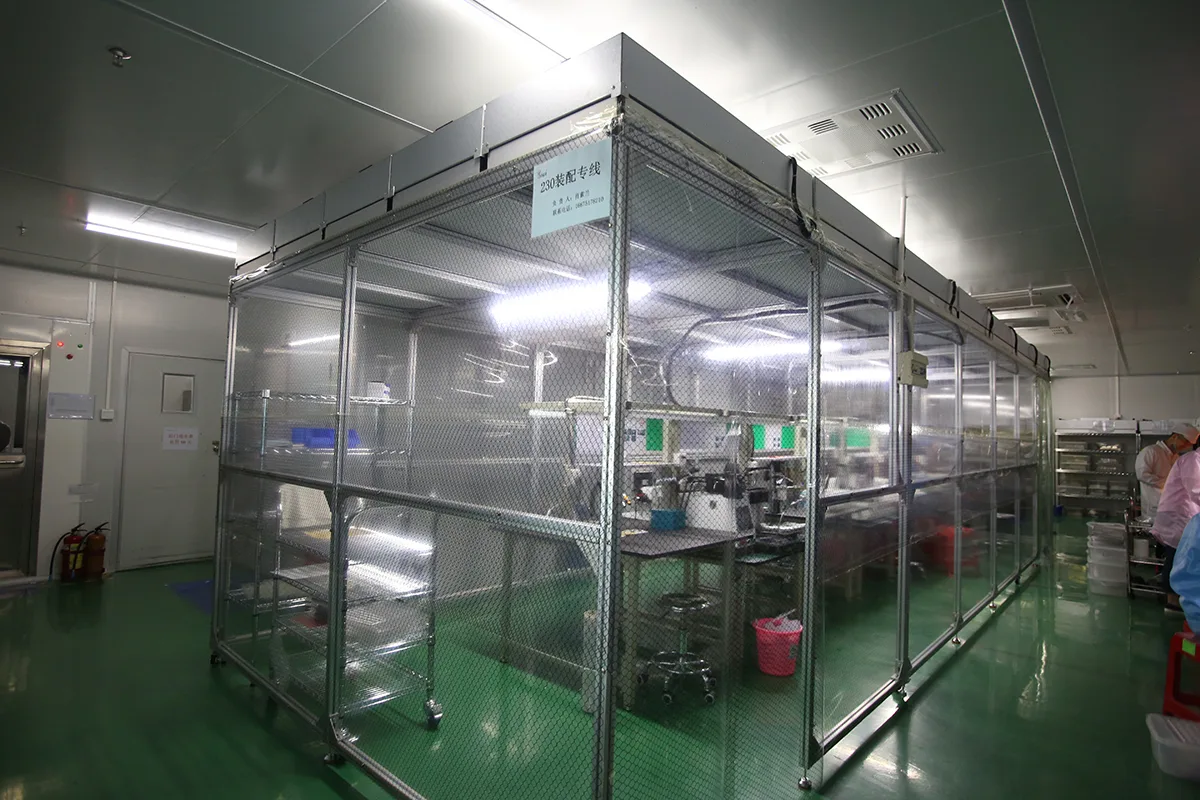
Assembly and handling where required by the component
Inspection items are defined by the component drawing, optical specification and agreed project requirements.
Start a Technical Review
Send the drawing, sample or optical requirement you already have.
Include the application, optical function, material or coating information, dimensions, acceptance requirements and quantity. GIAI can use that information as the basis for the next technical discussion.