Technical Review
Confirm the drawing, material, optical function, coating requirements and acceptance criteria for the project.

Quality control at GIAI is built around the requirements of the individual optical component. Inspection methods and acceptance criteria are defined according to the component drawing, optical specification and project requirements.
From pre-production review through in-process inspection, optical verification, final inspection and packing, the objective is to keep manufacturing and inspection aligned with the requirements agreed for the order.
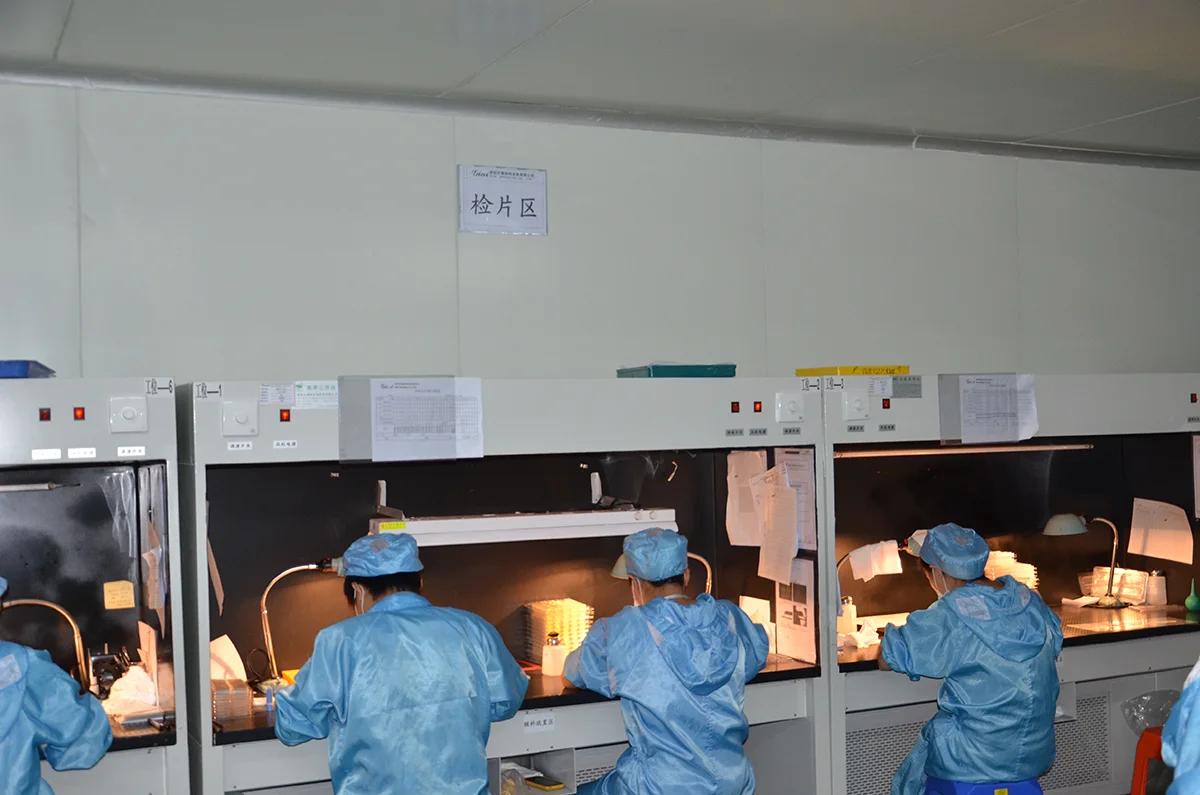
Different optical components require different inspection priorities. A bandpass filter, prism, lens, mirror or optical window may be controlled by different combinations of spectral performance, dimensions, surface condition, coating requirements and mechanical features.
For custom projects, GIAI reviews the available drawing, sample, material requirement, wavelength information, coating requirement, dimensions, tolerances and application conditions before the production and inspection route is confirmed.
Inspection methods and acceptance criteria are then matched to the characteristics that are critical to the finished component.
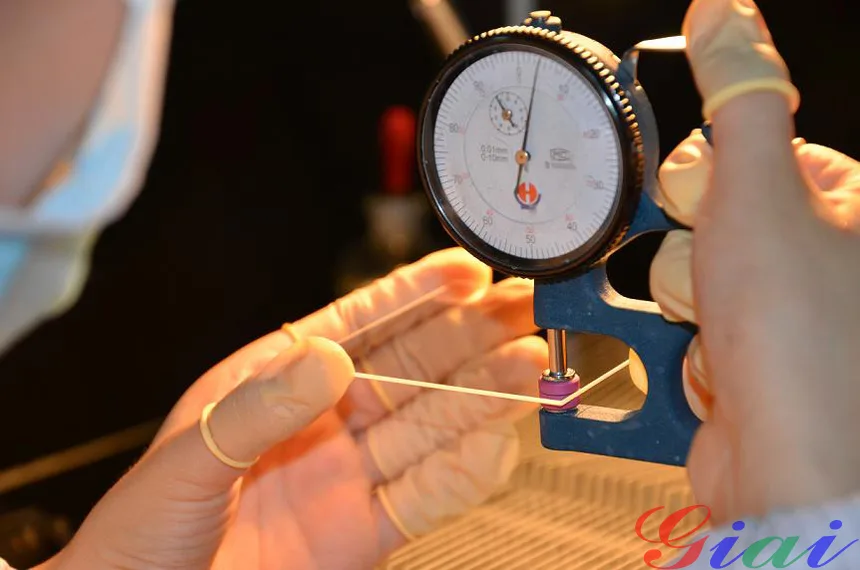
Quality control is integrated into the manufacturing route rather than treated only as an end-of-line check. Depending on the component, inspection may be carried out before coating, between processing stages and after the final optical operation.
Confirm the drawing, material, optical function, coating requirements and acceptance criteria for the project.
Fabricate the component through the processing stages required by its material, geometry and optical function.
Check relevant dimensions, surfaces and process results before the component moves to the next operation.
Complete the required optical, dimensional and visual checks before release and packing.

For optical filters and other wavelength-selective coated components, final appearance alone is not sufficient to confirm optical performance. The finished component is evaluated against the spectral requirements defined for the project.
Depending on the component specification, the review can cover transmission, reflection, blocking behavior, operating wavelength or wavelength range, angle of incidence and other optical characteristics relevant to the application.
Test conditions and acceptance limits are established from the agreed specification so that the inspection result corresponds to the way the component is intended to function in the optical system.
Mechanical conformity is part of optical quality. Dimensions and edge features affect mounting and alignment, while surface condition and coating appearance can affect the usable optical area and the finished component.
The inspection scope is taken from the drawing and project specification. Relevant checks can include overall dimensions, thickness, edge geometry, surface condition, coated area and other drawing-defined features.

Final inspection brings the required optical, dimensional and visual checks together before the component is released for packing.
The inspection record follows the requirements established for the order, with attention to the characteristics that determine whether the finished optic is suitable for its intended assembly or optical system.
After inspection, optical components are handled and packed to protect finished surfaces and coatings from contamination, contact damage and unnecessary movement during transport.
The packing method is selected according to the component geometry, surface condition, quantity and order requirements.
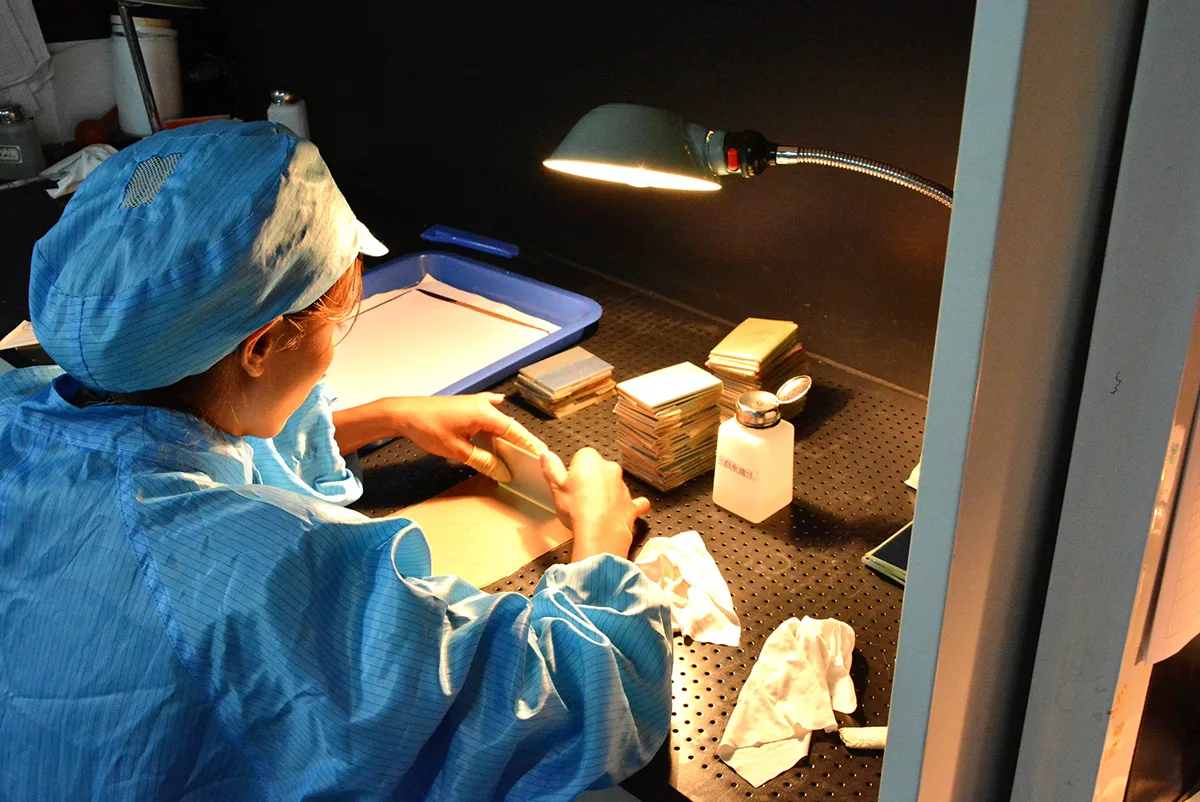
Clear technical information at the start of a project allows production and inspection to work from the same acceptance criteria.
Component geometry, dimensions, thickness and relevant mechanical tolerances.
The required transmission, reflection, focusing, blocking, splitting or other optical function.
Operating wavelength, spectral band or target spectral behavior.
Required coating function and operating conditions relevant to the component.
Operating angle where coating or filter performance depends on incidence angle.
Surface quality, appearance or clear-area requirements where applicable.
System information or environmental conditions that affect design or acceptance.
Required inspection conditions, reports or records for the order.
Prototype, sample or production quantity and the current stage of the project.
Optical filters, lenses, prisms, mirrors and windows do not share one universal acceptance standard. The inspection plan is based on the characteristics that are relevant to the specific component and its application.
Where required, the project specification can define additional criteria such as surface quality, flatness, wavefront performance, centration, clear aperture, blocking performance or other component-specific requirements. These requirements are reviewed together with the drawing and optical specification before production.
Share your drawing, wavelength requirements, coating requirements, dimensions, tolerances, application conditions and inspection criteria. GIAI can review the requirements before custom manufacturing begins.