
Engineering Support for Custom Optics
Technical Expertise Behind Custom Optics
A custom optical component moves through a sequence of technical decisions. GIAI supports that work by connecting optical requirements, material and coating considerations, manufacturing feasibility, production, inspection, and project communication.

Project Coordination
The technical work starts before material is processed or a coating is applied.
From Optical Requirement to Manufacturable Specification
Manufacturing starts with the optical function, drawing, material, coating requirement, dimensions, application conditions, and acceptance criteria. These inputs determine which questions need to be resolved before production decisions are made.
For a filter, that may mean defining the wavelength range, transmission, blocking, angle of incidence, substrate, and mechanical format. A lens, prism, mirror, or window may shift the emphasis toward geometry, optical material, surface requirements, coating, mounting features, and inspection conditions.
Requirement Review
Clarify the component function, drawing or sample, wavelength requirements, dimensions, material, coating, application, and quantity.
Material & Coating Evaluation
Review substrate and coating requirements against the optical function, wavelength region, operating geometry, and project constraints.
Manufacturing Feasibility
Check whether geometry, material, coating, tolerances, and inspection requirements form a workable manufacturing specification.
Production Support
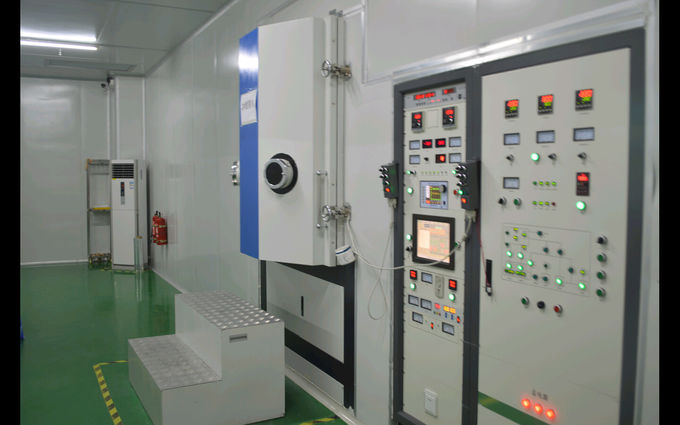
Carry the agreed technical requirements through the optical fabrication, coating, and inspection stages required for the component.
Inspection & Verification
Evaluate the finished optic against the dimensions, optical behavior, coating requirements, surface criteria, and other agreed acceptance points.
Prototype-to-Production Communication
Keep drawing revisions, sample feedback, quantity, inspection needs, and production requirements aligned as the project develops.
Our Team
People Behind Our Custom Optics Projects
Custom optical projects require coordination across engineering review, manufacturing, coating, inspection, and customer communication. Our teams work together to keep technical requirements aligned from initial project review through production and final inspection.
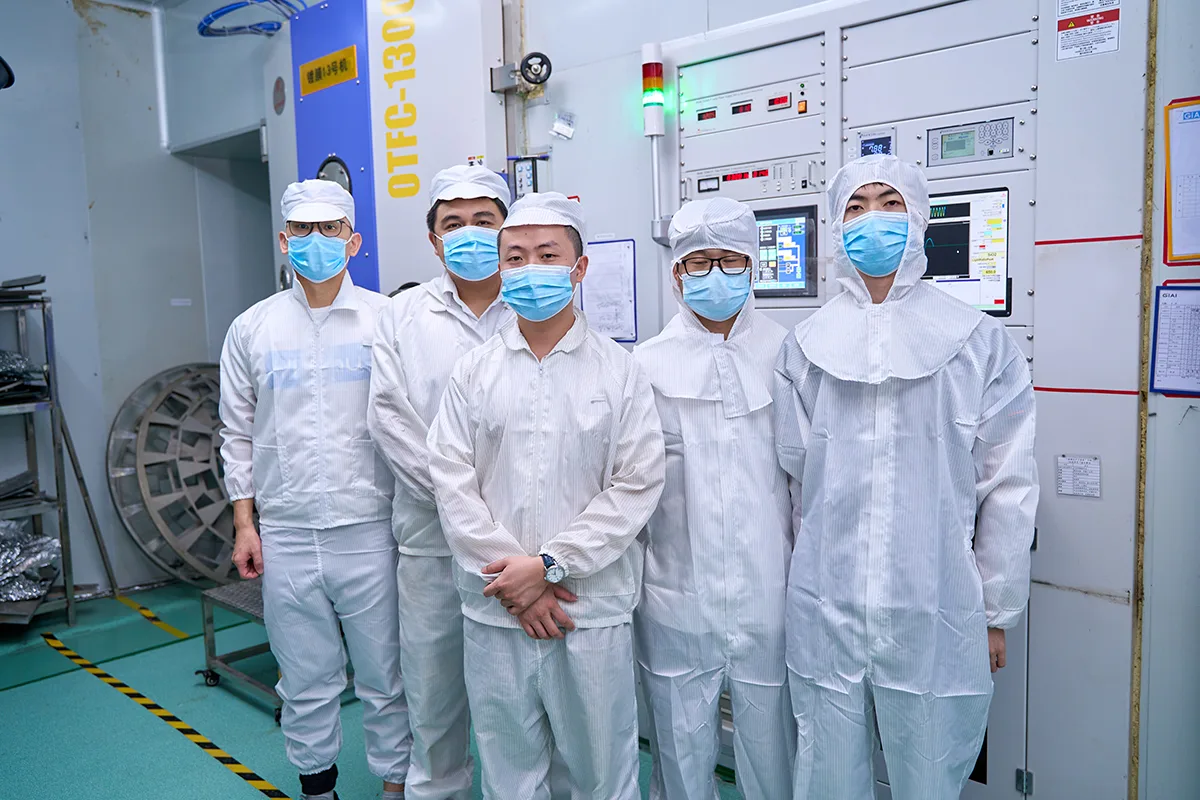
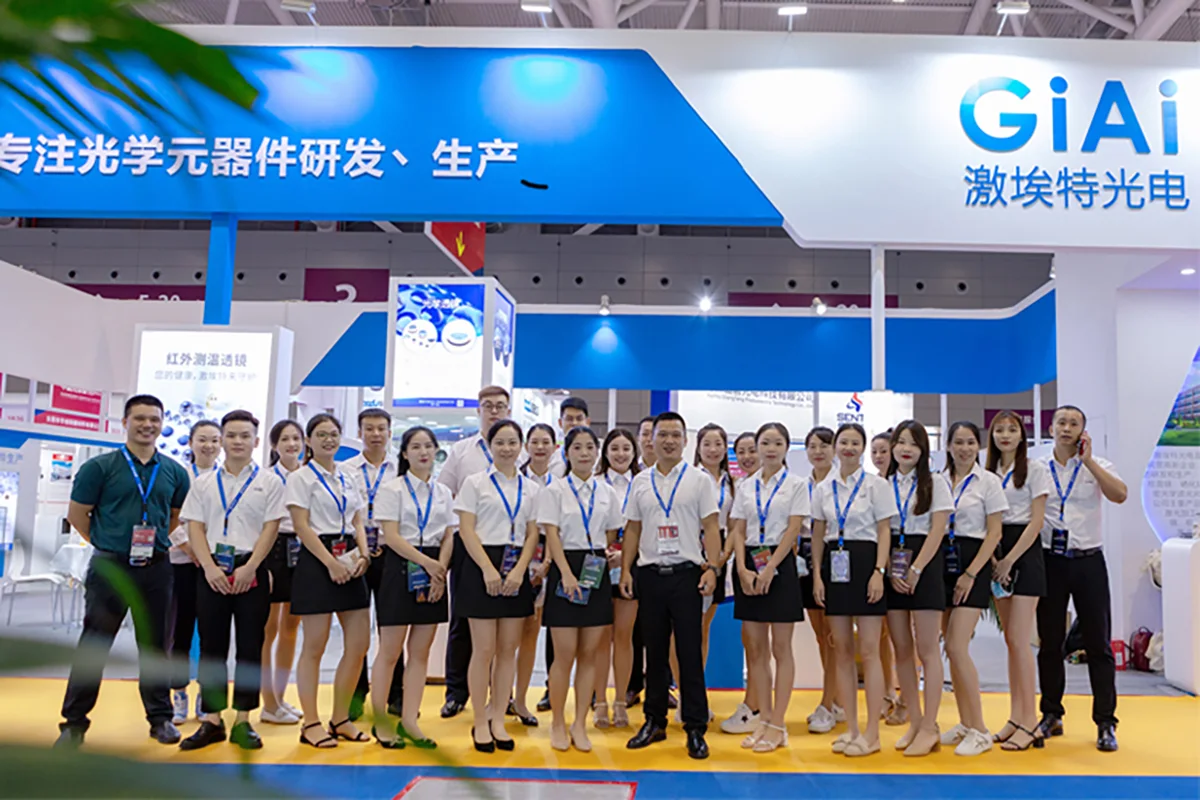
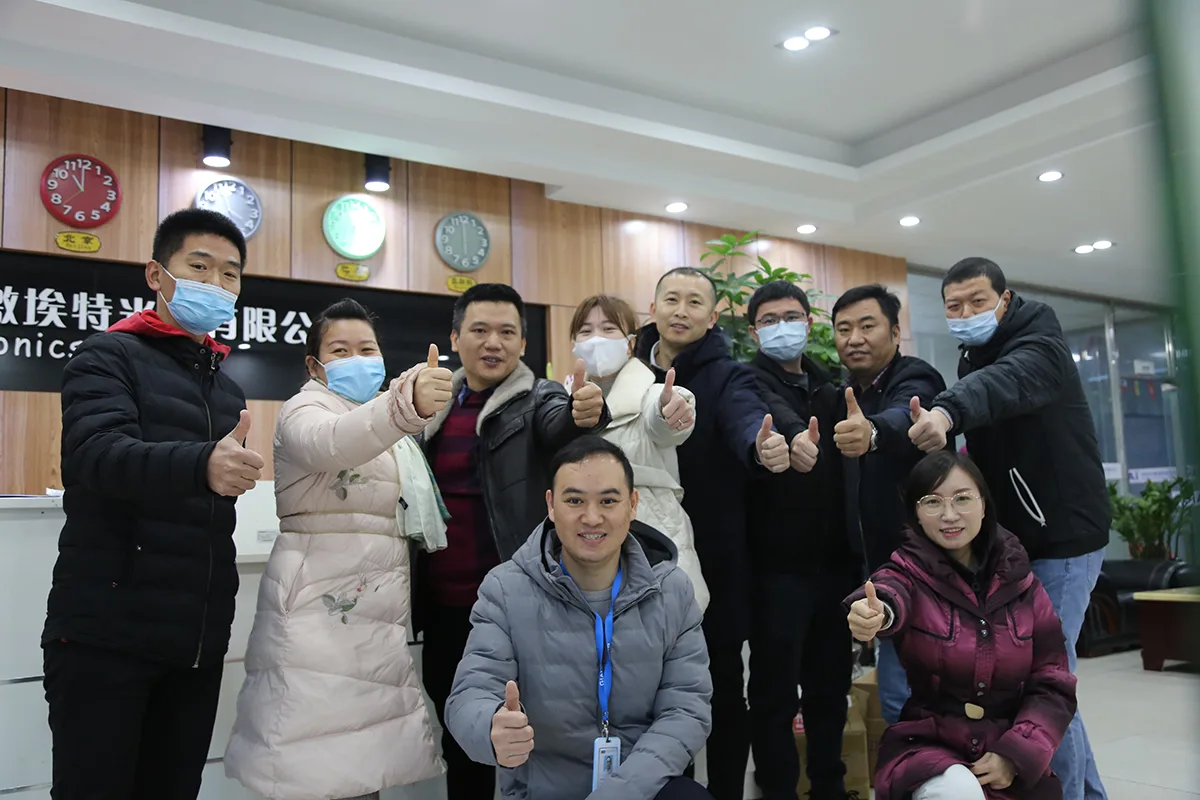
Good technical communication reduces ambiguity before it reaches manufacturing.
A useful project review identifies the characteristics that affect optical performance, fabrication, coating, assembly, and acceptance. The goal is a specification that engineering, production, quality, and procurement can interpret consistently.
Material, Coating & Feasibility
Technical Review Has to Match the Optical System
Material and coating choices are tied to the wavelength region, optical function, geometry, operating angle, mechanical format, and environment. The same nominal component type can require a different technical approach when its role in the optical system changes.
Manufacturing feasibility is reviewed around the actual component rather than a universal capability statement. Geometry, material, coating specification, tolerances, surface requirements, and inspection conditions all affect how the part should move through production.
- Wavelength or spectral region
- Transmission, reflection, or blocking function
- Optical substrate or material
- Dimensions and geometry
- Coating requirement
- Angle of incidence where relevant
- Surface and appearance criteria
- Inspection and acceptance requirements
Inspection & Verification
The Acceptance Criteria Follow the Component
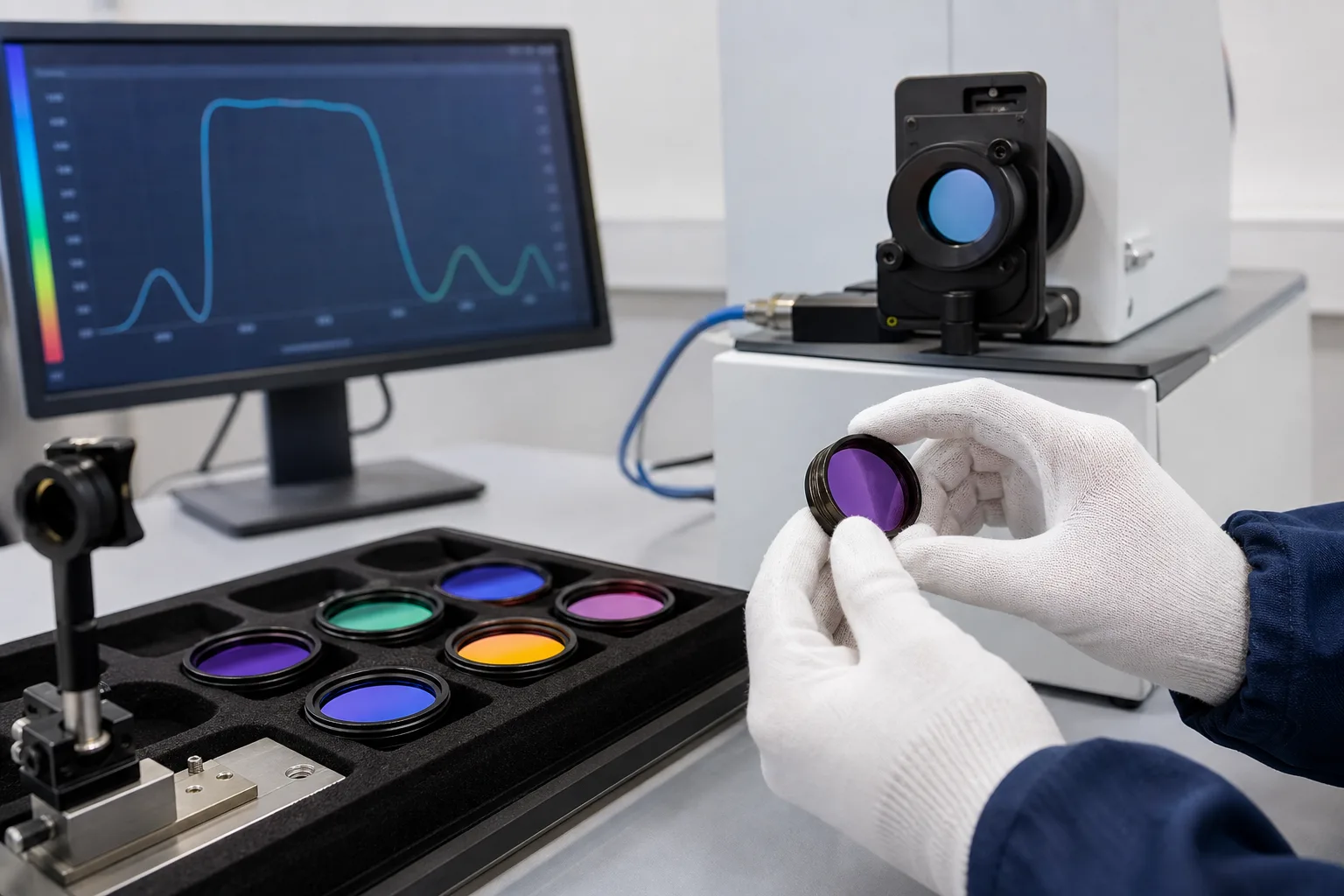
A coated filter is judged by different critical characteristics than a prism, imaging lens, optical window, or mirror. Inspection therefore returns to the drawing and technical requirements established for the project.
Dimensional checks, optical verification, surface review, coated-area inspection, and other checks are selected according to the component. For wavelength-selective optics, visible appearance alone cannot establish spectral performance; the optical behavior has to be compared with the agreed requirement.
Project-specific inspection conditions or documentation should be defined before production when they are required.
How the Functions Connect
Technical Support Across a Custom Optics Project
Define what the optic must do.
Review drawings, samples, wavelength needs, dimensions, material, coating, application conditions, quantity, and the characteristics that will determine acceptance.
Connect spectral targets to the physical component.
Consider the optical function together with substrate, coating behavior, angle of incidence, geometry, and the way the component sits inside the optical path.
Translate the specification into manufacturing work.
Coordinate the fabrication, coating, and inspection steps required by the component while keeping the agreed drawing and technical requirements in view.
Keep project requirements consistent through production.
Maintain alignment between the controlled requirements, manufacturing stages, process inspection, and the finished component presented for verification.
Check the characteristics that matter to acceptance.
Review optical, dimensional, surface, coating, and other project-defined criteria using the applicable inspection approach for the component.
Keep engineering and procurement working from the same information.
Drawings, sample feedback, revisions, quantities, special inspection needs, and production questions should remain traceable through the customer communication process.
Prototype to Production
Sample Feedback Is Part of the Engineering Conversation
Prototype or sample work gives the customer and manufacturing team a practical point for review before a larger production requirement is finalized. Useful feedback is specific: identify the drawing revision, test condition, optical or mechanical issue, and the change that needs to be evaluated.
If an existing component is being replaced or modified, send the sample together with the application and the performance changes required. When a drawing already exists, include the controlled version with the inquiry so geometry, coating, and acceptance criteria are discussed against the same reference.
Prepare Your Inquiry
Give the Technical Team Enough Information to Start Productively
A complete specification is useful, but an early-stage inquiry can begin with the information already available. The most important inputs are the component function, the drawing or sample, the optical requirements, and the constraints that affect manufacturing or acceptance.
For an existing design, send the latest drawing revision. For a new requirement, describe what the optic needs to transmit, reflect, block, focus, split, or redirect inside the system.
Technical Content
Published guidance helps prepare a project; the controlled drawing and agreed specification govern the component.
Technical Content and Editorial Review
Technical articles can help engineers and procurement teams understand optical terminology, coating behavior, component selection, and specification inputs before an inquiry is submitted.
Project requirements should still be defined through the drawing, sample, optical specification, application conditions, and agreed inspection criteria. For information about how GIAI handles technical website content, refer to the editorial policy.
Have a Custom Optical Requirement?
Send your drawing or sample together with the available wavelength, dimensions, material, coating, application, quantity, and inspection requirements. GIAI can review the technical inputs before the project moves into manufacturing.