
Precision Optics · Fabrication · Coating · Inspection
Optical Manufacturing Capabilities
GIAI Photonics manufactures custom optical components from customer drawings, samples and application requirements. Projects can include optical fabrication, grinding and polishing, edging, coating, inspection and assembly, depending on the component and specification.
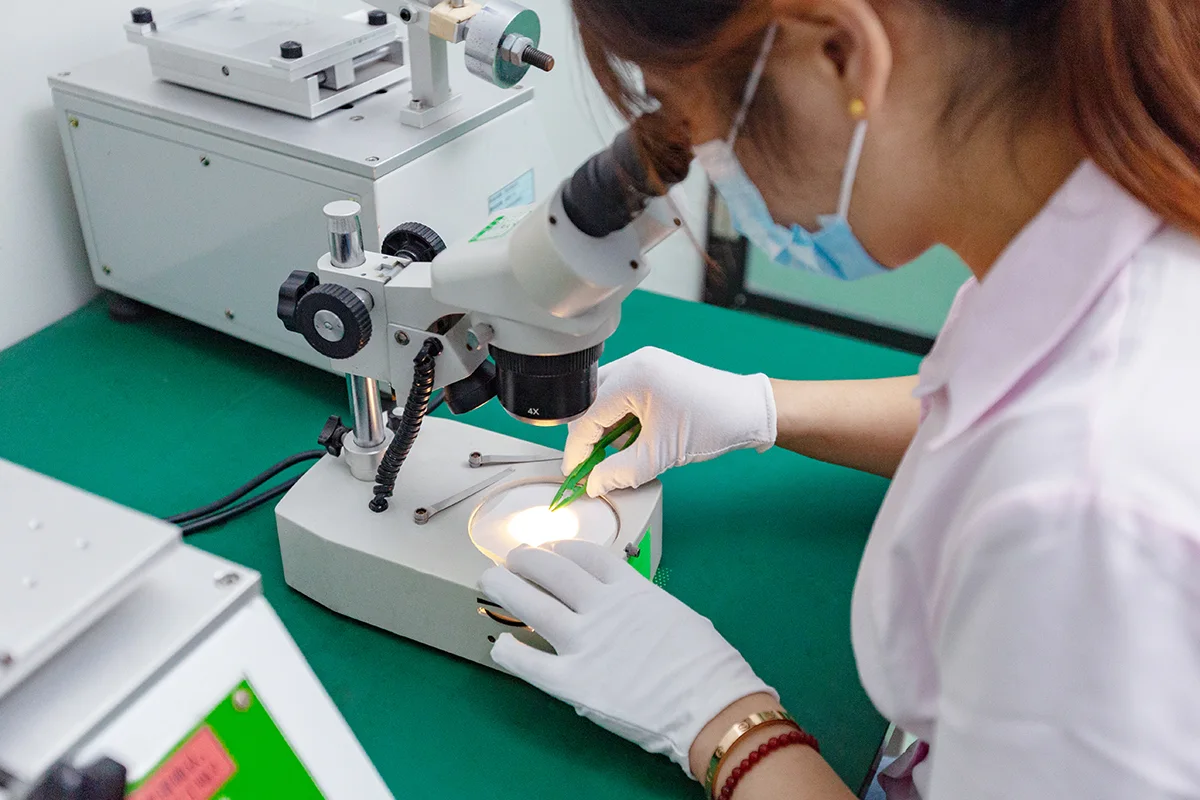
Start With the Optical Requirement
Manufacturing starts with the part specification
The manufacturing sequence is determined by the optic itself. A bandpass filter, imaging lens, prism, infrared window and coated mirror each place different demands on material, geometry, surface preparation, coating and inspection.
For custom work, GIAI reviews the drawing or sample together with wavelength, optical function, dimensions, coating requirements, mechanical interfaces and inspection criteria before the process route is defined.
Optical requirement
Transmission, reflection, focusing, beam splitting, spectral filtering or another defined optical task.
Drawing and dimensions
Shape, thickness, edge features, clear aperture and interfaces are reviewed against the intended application.
Fabrication and coating
Grinding, polishing, edging, coating and related operations are selected to match the component definition.
Verification
Finished parts are checked against the drawing and agreed optical, dimensional and surface requirements.
Optical Fabrication
From material preparation to finished optical surfaces
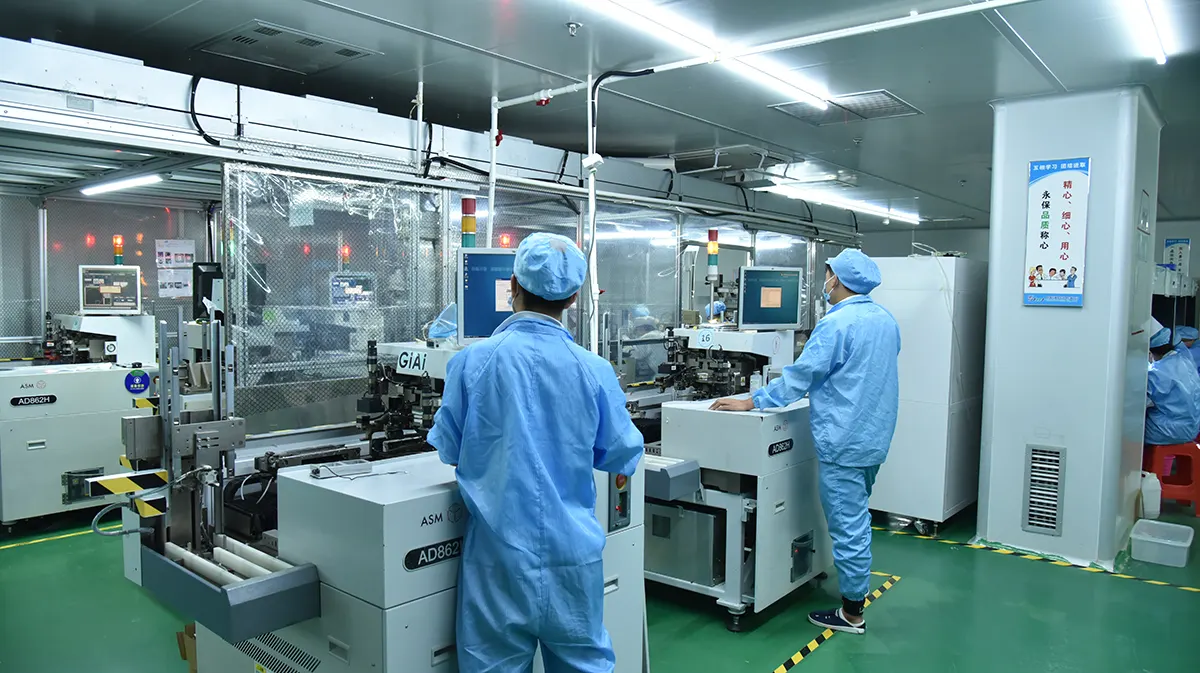
GIAI’s optical processing workflow includes material preparation, milling and grinding, precision grinding, polishing, rinsing, edging, coating, inspection and assembly for applicable components.
The exact sequence depends on the optic. Curvature, thickness, edge geometry, clear aperture and surface requirements determine how the part moves through fabrication.
- Material preparation and initial shaping
- Milling and grinding
- Precision grinding
- Optical polishing
- Rinsing and cleaning between process stages
- Edging and final geometry work
- Inspection during and after processing
Optical Coating
Coating requirements are defined by the optical system
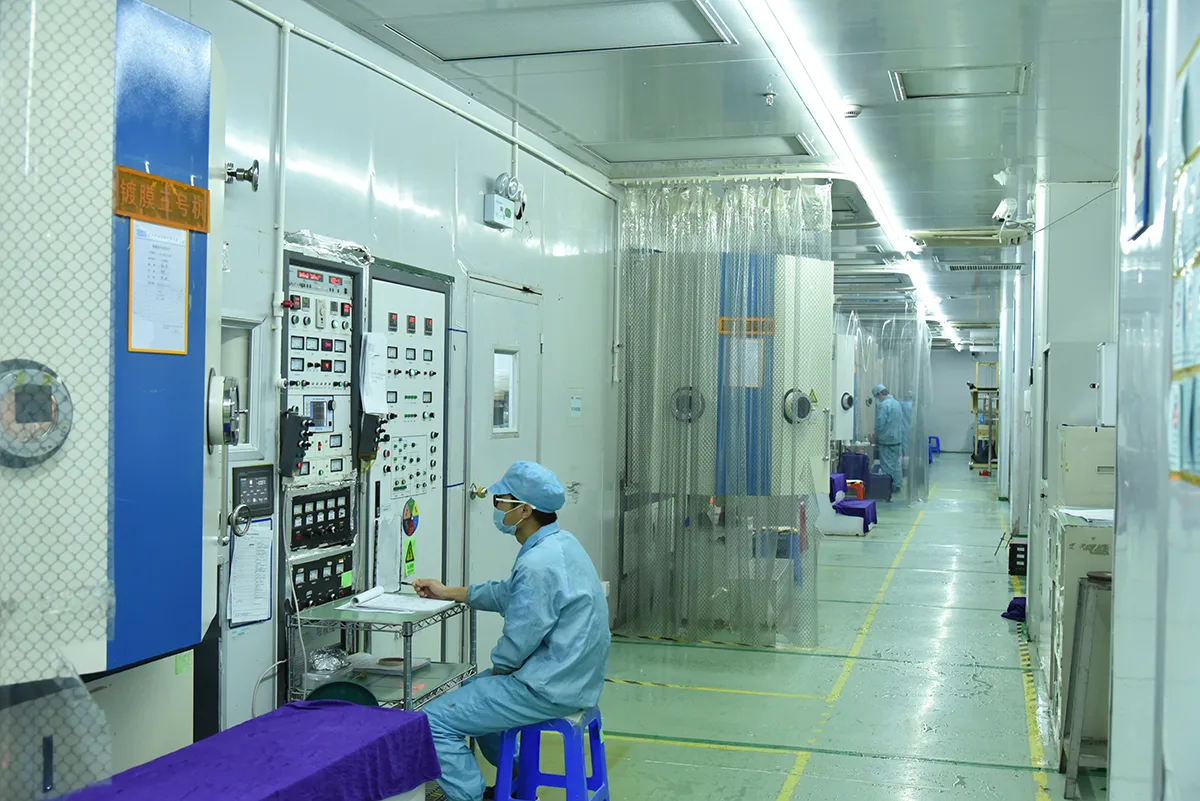
GIAI provides coating support for filters, lenses, mirrors, windows, prisms and related custom optics. Coating specifications are typically defined by wavelength or spectral band, transmission or reflection target, blocking requirement, substrate and angle of incidence.
Polarization, clear aperture and operating conditions can also be relevant. These inputs allow the coating requirement to be evaluated together with the substrate and component geometry.
Component Types We Support
Custom optics for filtering, imaging and beam control
GIAI manufactures and processes a broad range of optical components for custom and drawing-based projects.
Optical Filters
Bandpass, cutoff, neutral-density, polarizing, beamsplitting and other wavelength-control optics.
Optical Lenses
Spherical, aspheric, cylindrical, infrared and other lens forms for focusing and imaging.
Prisms
Custom prism components for beam deviation, reflection, dispersion and optical path control.
Optical Windows
Flat optical elements used for transmission, protection and separation within optical systems.
Mirrors
Reflective components for beam steering, laser systems, sensing and instrumentation.
Beamsplitters
Optical components designed to divide or combine light according to system requirements.
Infrared Optics
Infrared lenses, windows, filters and related components for IR imaging and sensing applications.
Optical Assemblies
Multi-element lens and optical assembly work for projects with defined mechanical and optical requirements.
Optical Materials
Materials for visible and infrared optical components
Materials used across GIAI optical product lines include BK7, fused silica, B270, sapphire, silicon, germanium, ZnSe, magnesium fluoride and other optical glass types.
Material selection is confirmed against the required geometry, wavelength range and coating specification.

Custom Shapes and Drawing-Based Manufacturing
Custom optics from drawings, samples and application requirements
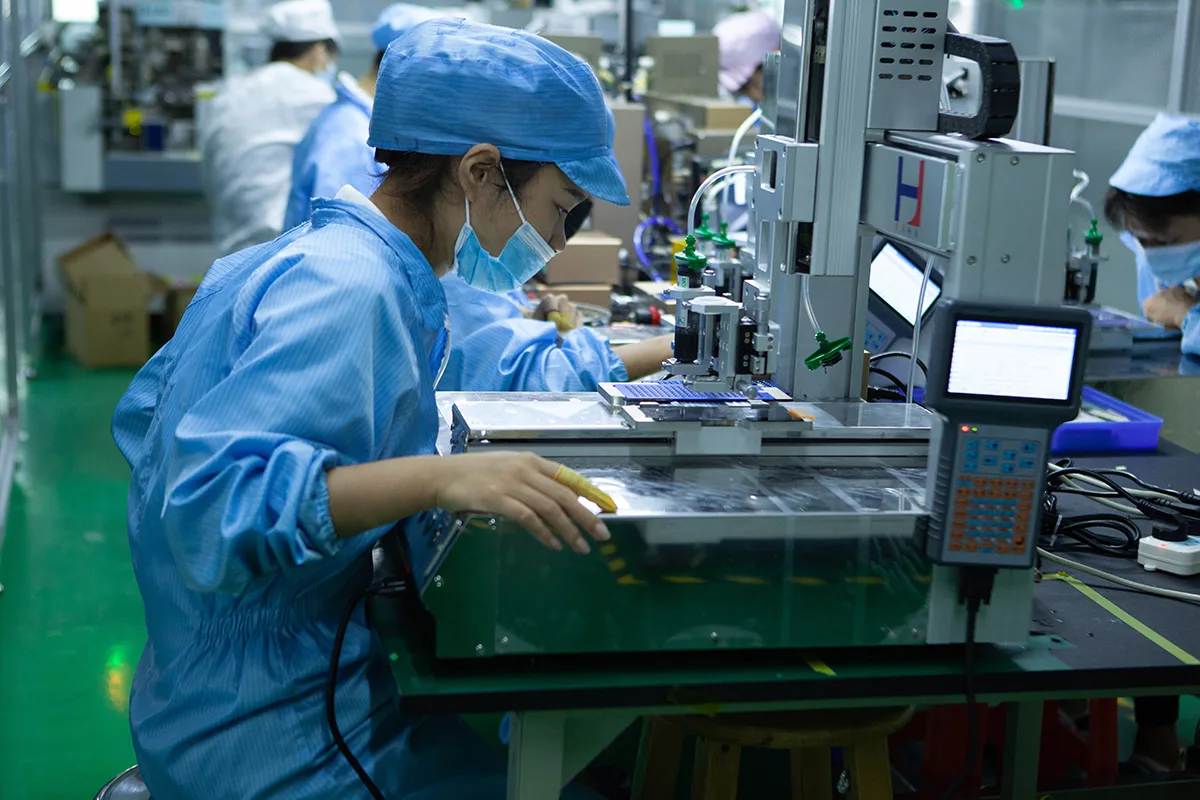
Customer drawings are the preferred starting point for non-standard optical components. When a complete drawing is not available, GIAI can also review supplied samples and application information to identify the parameters needed for a custom project.
- 2D drawing or 3D reference, where available
- Material or acceptable material alternatives
- Operating wavelength or spectral range
- Critical dimensions and mechanical interfaces
- Optical surfaces, clear aperture and edge requirements
- Coating requirements and angle of incidence
- Inspection or documentation requirements
- Prototype quantity and expected production demand
Inspection and Metrology
Inspection tied to the drawing and optical requirement
Inspection is part of the manufacturing workflow. Depending on the component, verification can involve optical, dimensional, surface and coating characteristics specified for the project.
Filters are commonly evaluated against spectral requirements, while lenses, prisms, mirrors and windows may place additional emphasis on geometry, surface condition, alignment or other drawing-controlled features.

Prototype to Production
Support for development, validation and production orders
Quantity and project stage are considered during manufacturing review so that sample work, validation builds and production requirements can be planned against the same approved component definition.
Manufacturing Feasibility
Feasibility is confirmed against the actual specification
Material, size, geometry, surface requirements, coating and inspection criteria can all affect the manufacturing route. For non-standard optics, GIAI reviews these details before confirming the production approach.
Key items for review
- Material and substrate
- Geometry and critical dimensions
- Optical performance requirements
- Coating specification
- Surface and appearance criteria
- Inspection and documentation
- Quantity and project stage
Manufacturing and Quality Resources
Related technical information
Review GIAI’s quality, factory, custom optics and technical support pages for additional project information.
Send Us Your Drawing or Requirements
Request a manufacturing review for your optical component
Send your drawing or sample together with the available wavelength, material, dimensions, coating requirements, application conditions, inspection needs and quantity. GIAI’s team can then review the project requirements and manufacturing route.