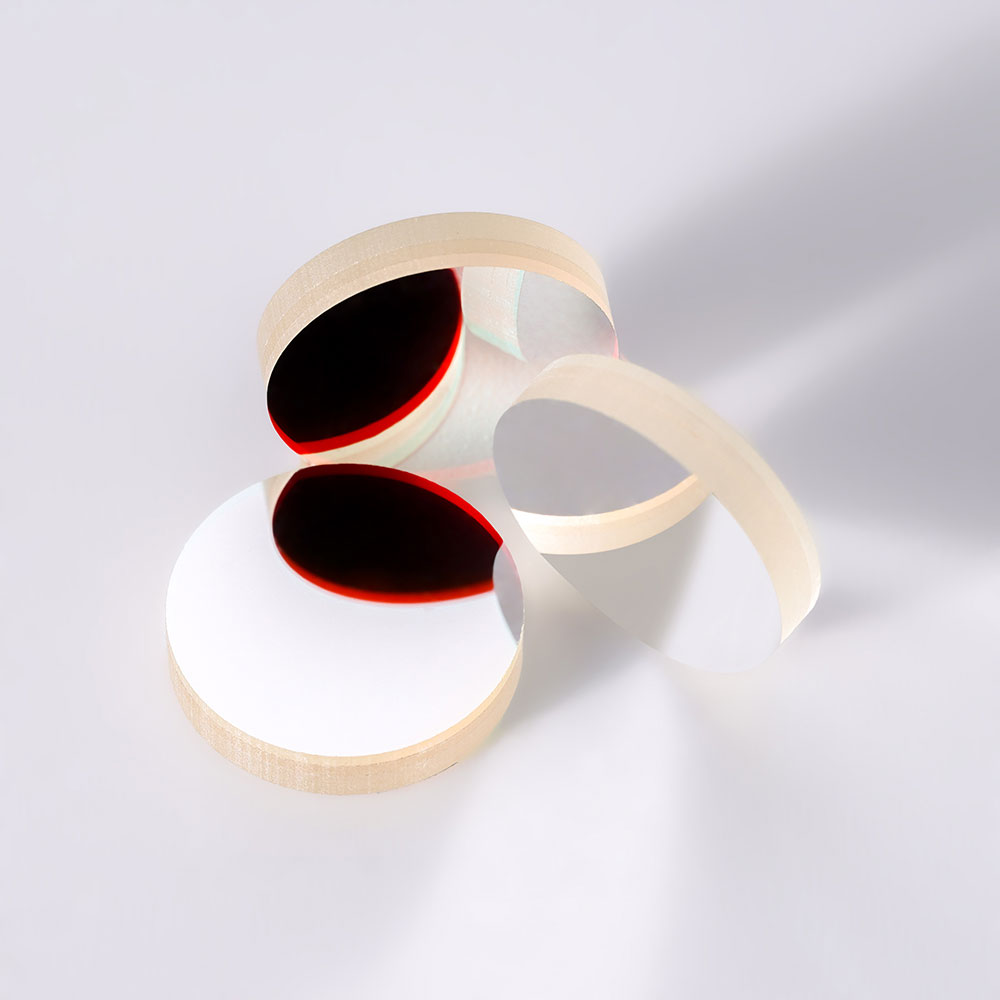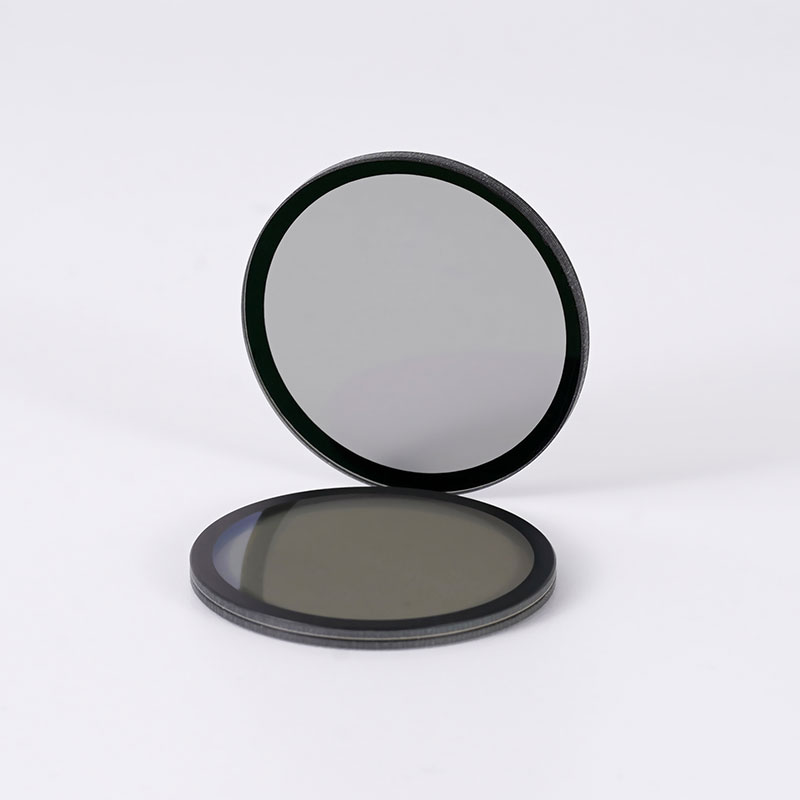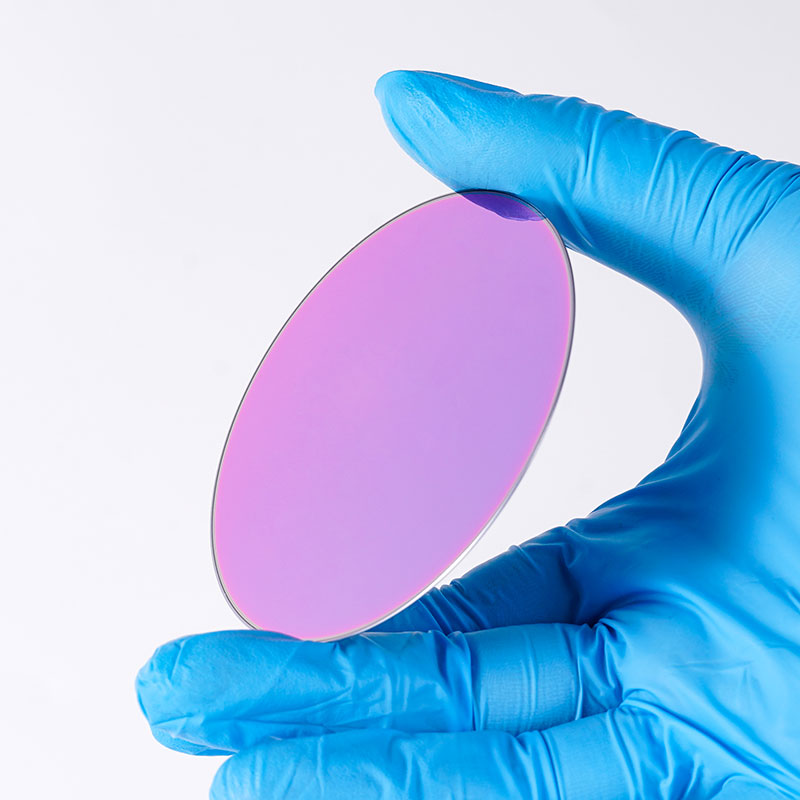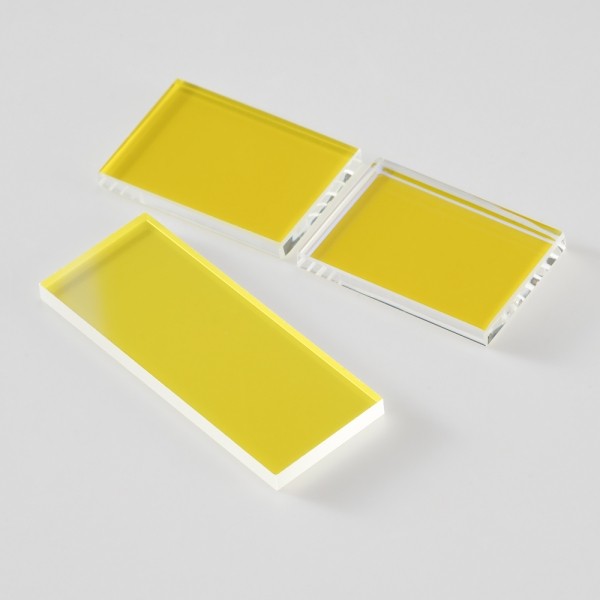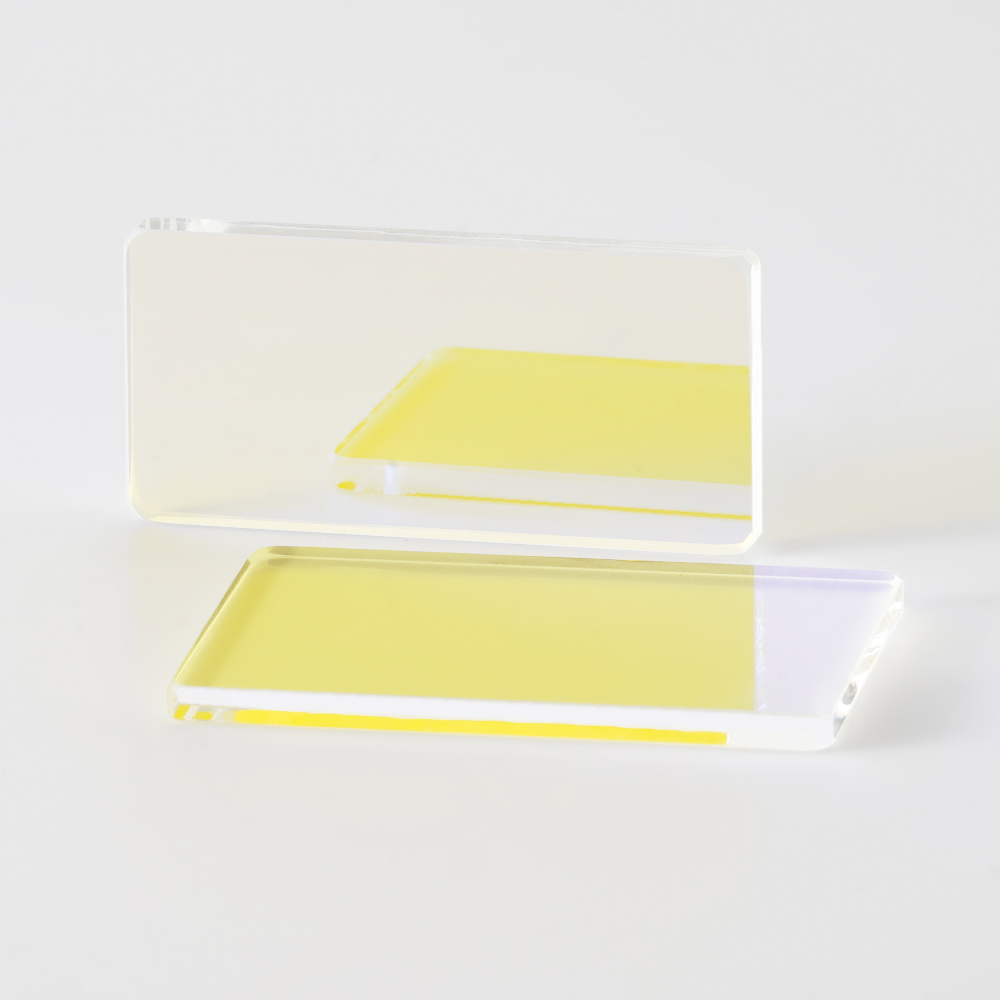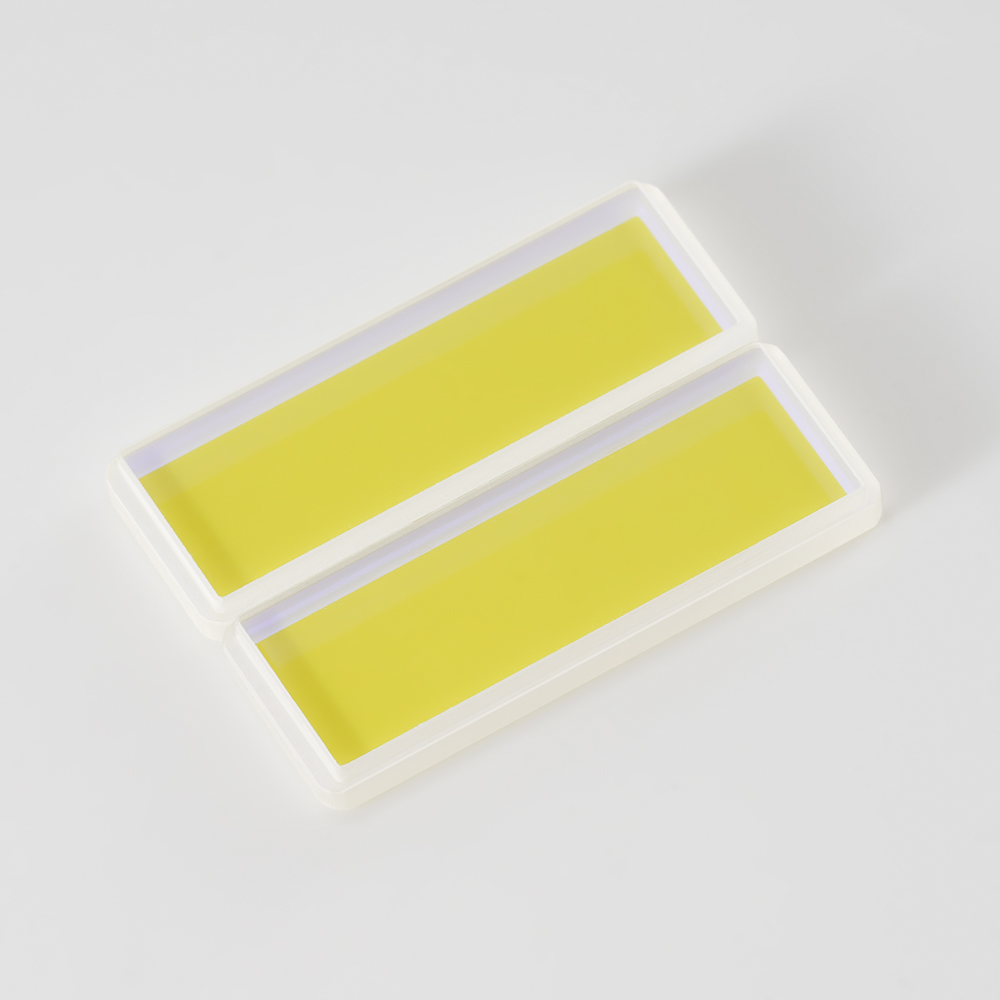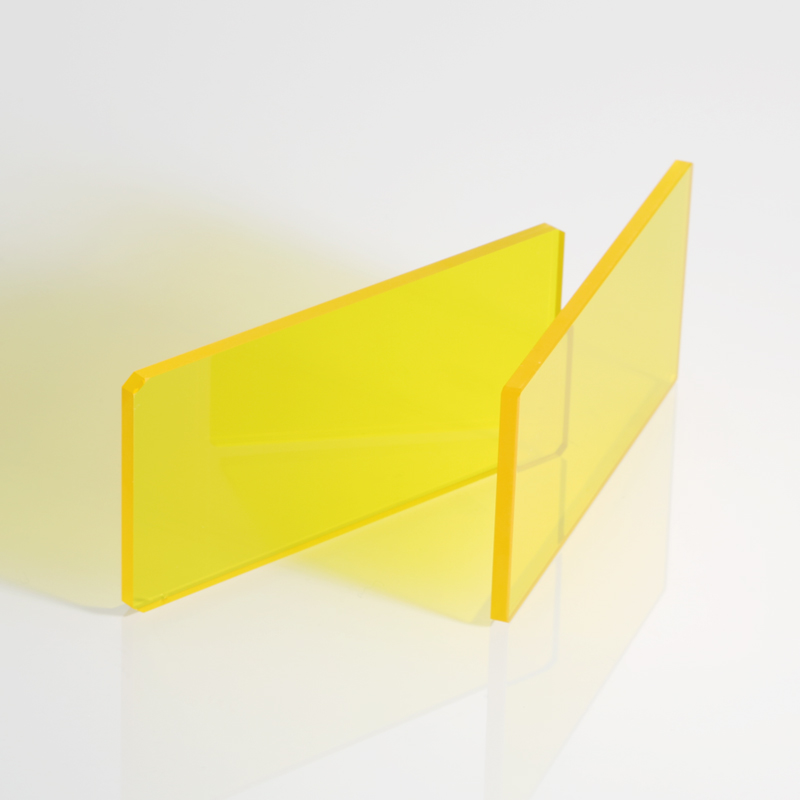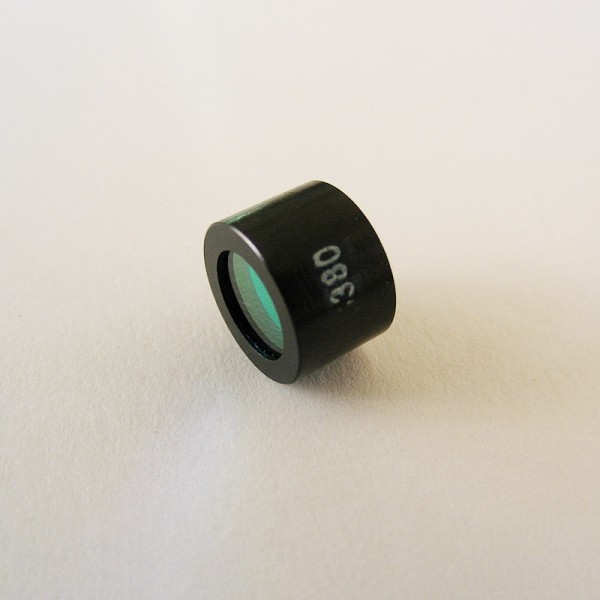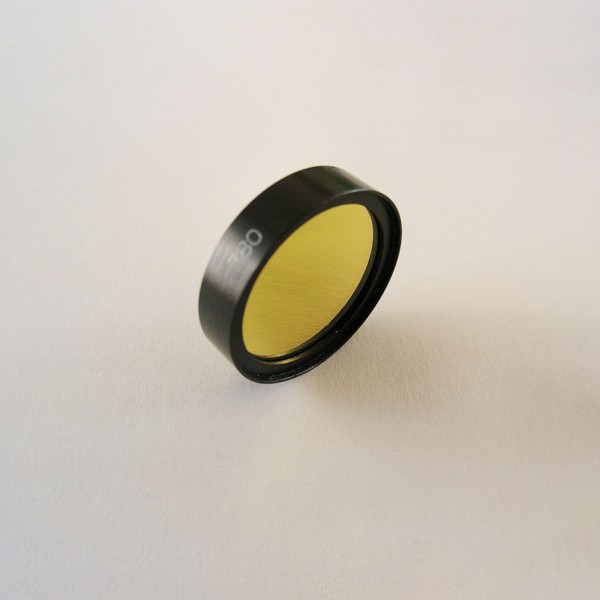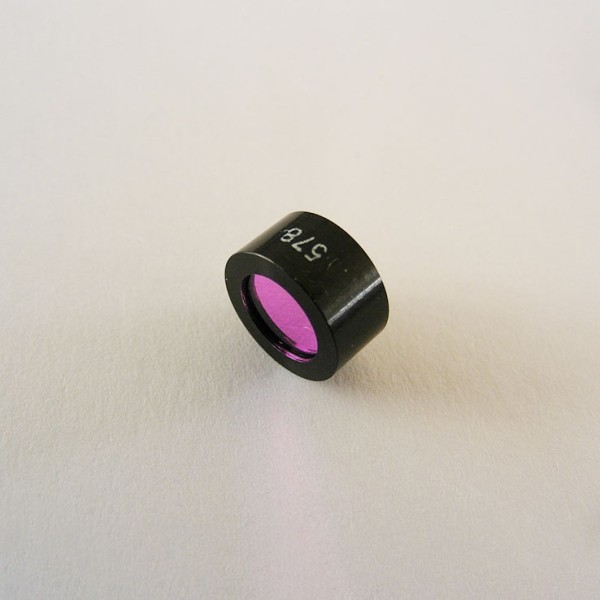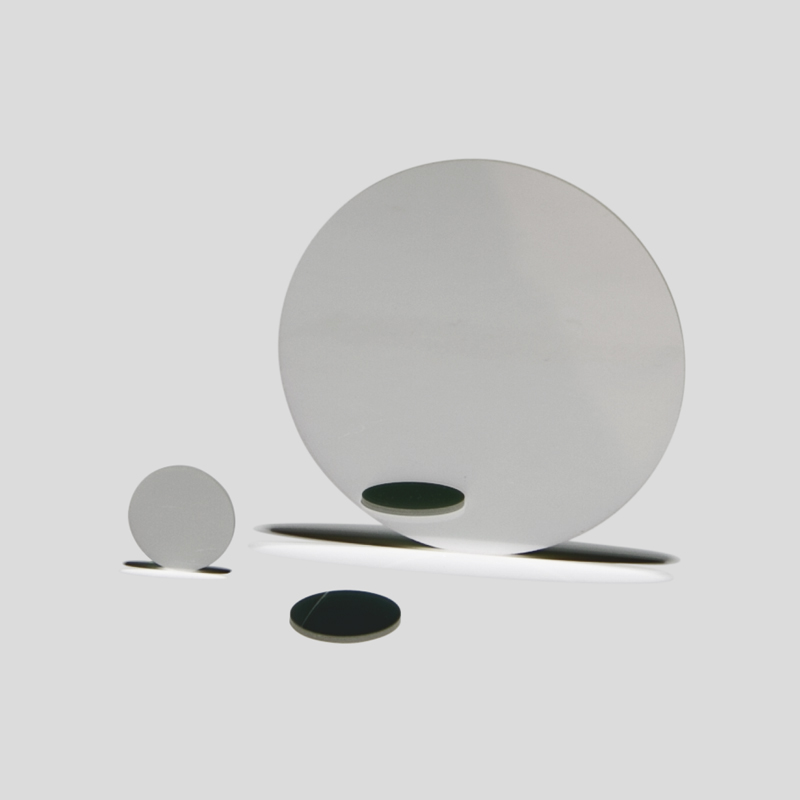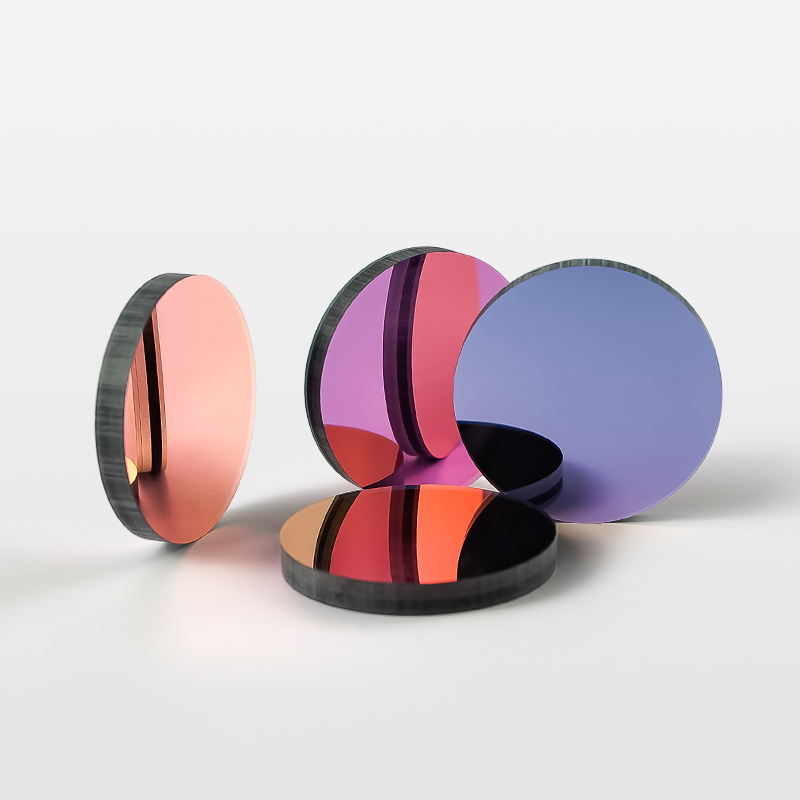

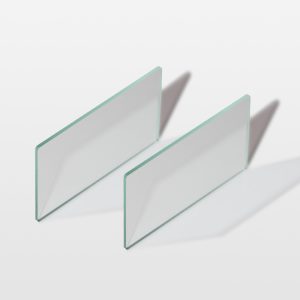
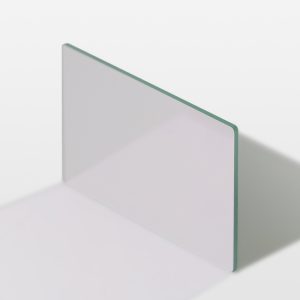
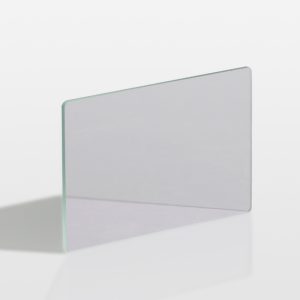
A spectroscope is a lens that allows part of the light to pass through and part of it to achieve the spectroscopic effect. A special film is coated on the surface so that the incident light can be reflected half and transmitted half, thus dividing a beam of light into a reflected beam and a transmitted beam, forming two beams of light. The spectroscope reflects part of the incident light energy, absorbs a relatively small amount, and transmits the rest of the energy. The spectroscope has a distinct neutral color characteristic. The spectroscope is made of multi-layer dielectric film vacuum evaporation, without the problem of metal film absorption, and the total ratio of penetration and reflection is close to 100.
Model: 50:50 beam splitter
Specifications: Customized
Material: Optical glass
Product features
Special imported optical substrate
High-precision spectroscopic medium coating
No ghosting, no ghosting, high finish
Clear imaging, no black spots, no stray light
Main Features
General parameters
| Commonly used splitting ratios (T: transmittance R: reflectivity) | |||
| T:R=50%:50% | T:R=60%:40% | T:R=70%:30% | T:R=80%:20% |
| T:R=90%:10% | T:R=95%:5% | T:R=98%:2% | R:T=99%:1% |
| R:T=98%:2% | R:T=95%:5% | R:T=90%:10% | R:T=80%:20% |
| R:T=70%:30% | R:T=60%:40% | ||
| Spectral band (the band in which the light source works) | |||
| 470nm spectrophotometry (light source: blue LED light source) | 532nm spectrophotometry (light source: green laser module feedback mirror) | ||
| 650nm spectrophotometry (light source: red LED pump light source) | 850nm spectrophotometry (light source: 850nm infrared laser pumping) | ||
| 380~760nm spectroscopy (light source: all visible light sources) | |||
Transmittance wavelength characteristics (reference data)

Applications
Interferometry::Creates two coherent beams for applications like the Michelson or Mach-Zehnder interferometers.
Laser Systems::Splits laser beams for diagnostics, beam sampling, or combining multiple paths.
Optical Imaging::Directs light to cameras, detectors, or other optical instruments for simultaneous observation.
Quantum Optics::Used in experiments involving photon entanglement and quantum computing.